
The complete guide
Gazebo Side Walls, A Practical Buyer's Guide
The problem a roof alone does not solve
Anyone who has set up a gazebo in a backyard, at a market or on a campsite knows the same frustration. The roof works beautifully right up until the weather does anything other than sit still. Rain starts coming in at an angle. The afternoon sun slides under the canopy edge and lands straight in everyone's eyes. A breeze comes through and suddenly paper plates, serviettes and tablecloths are heading for the fence.
A canopy roof is a horizontal surface. Most weather is not horizontal. That gap between the fabric edge and the ground is where all the trouble comes from, and no amount of adjusting the leg height fixes it.
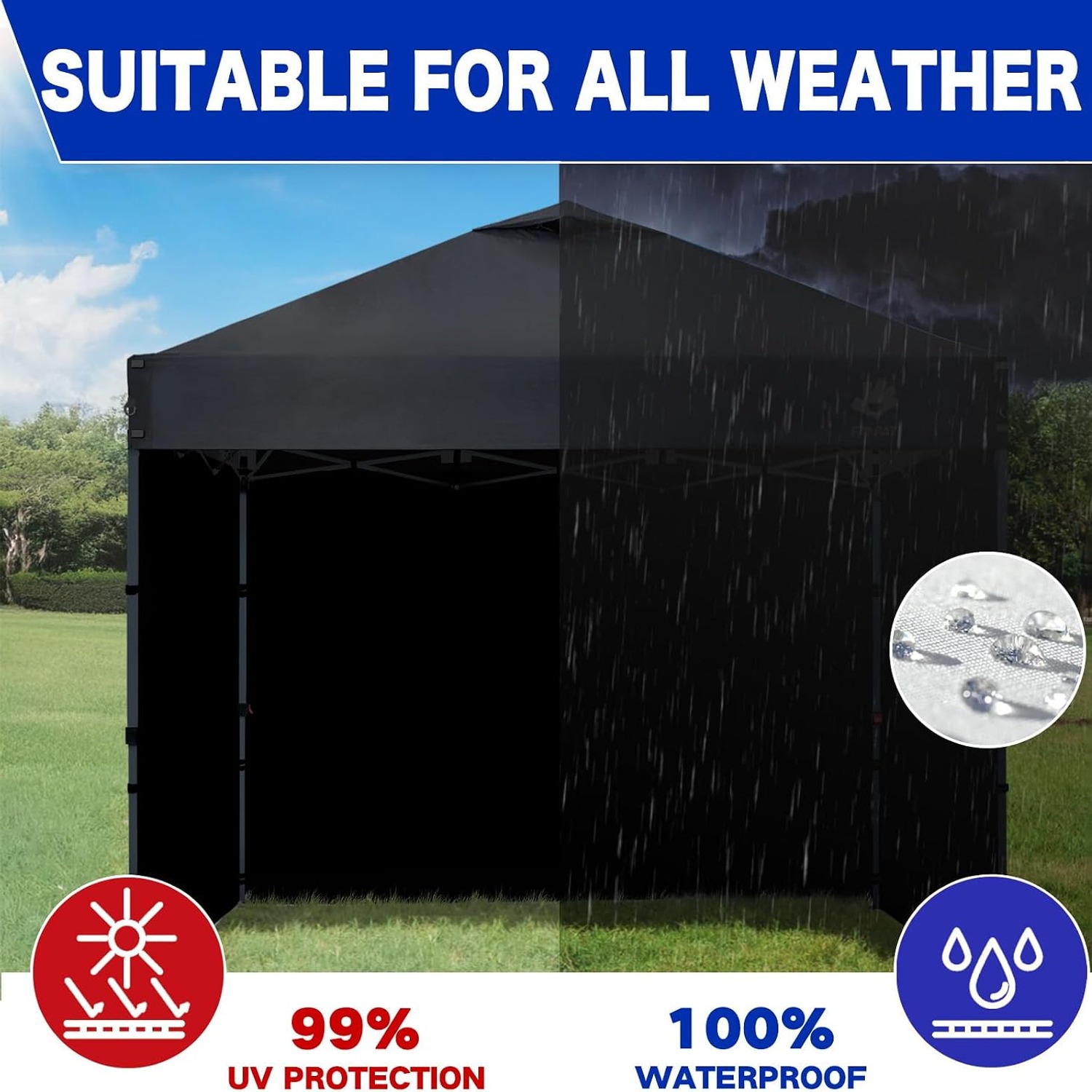
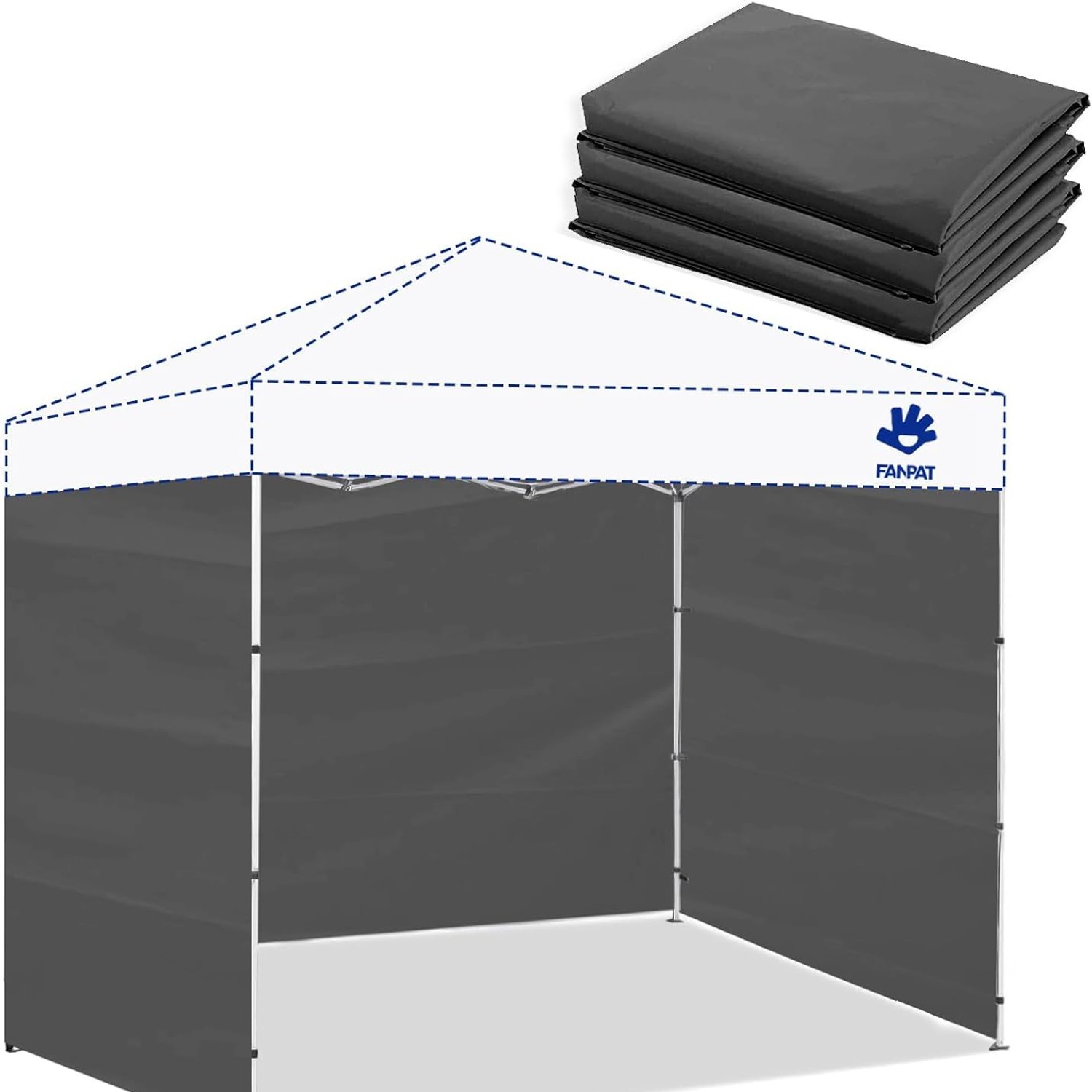
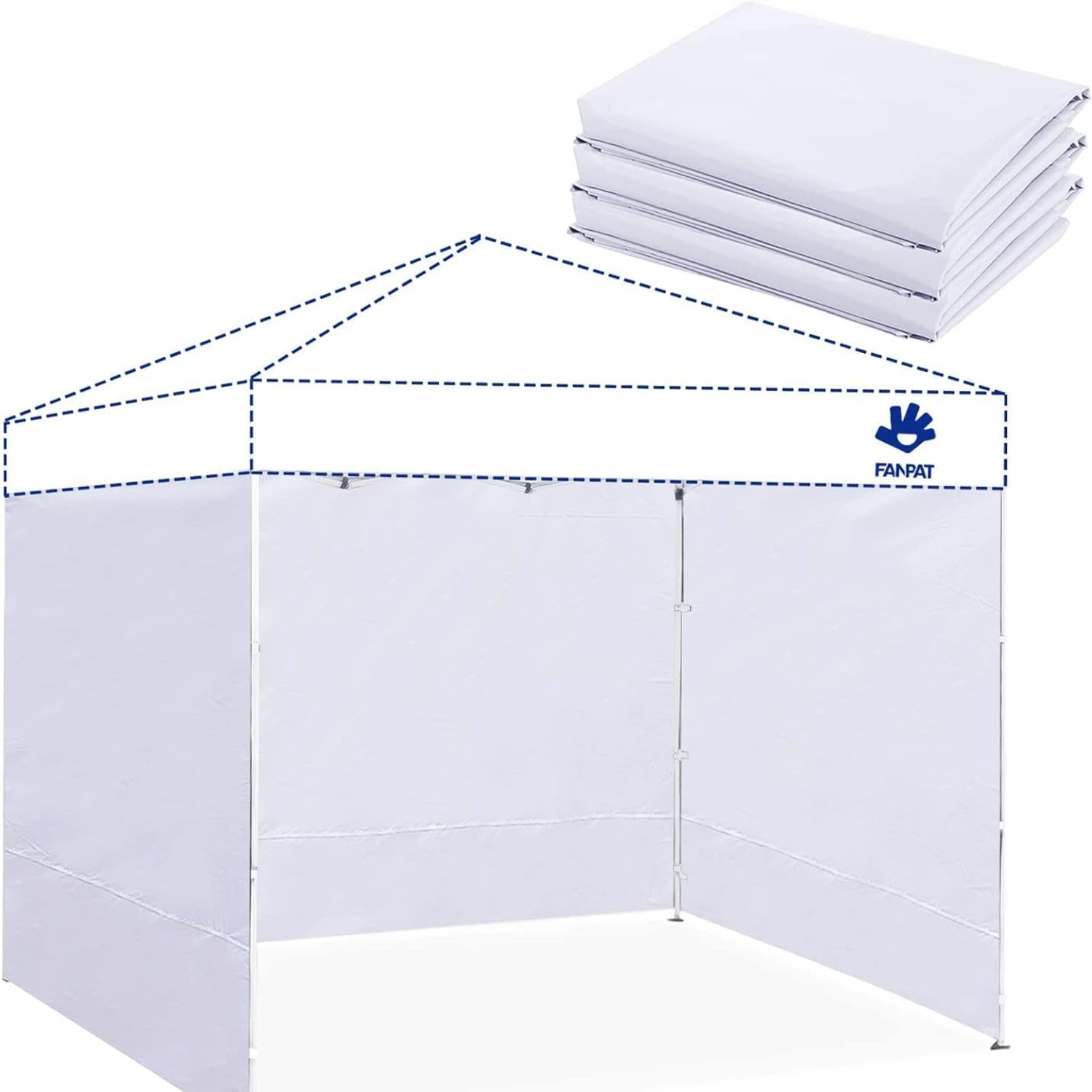
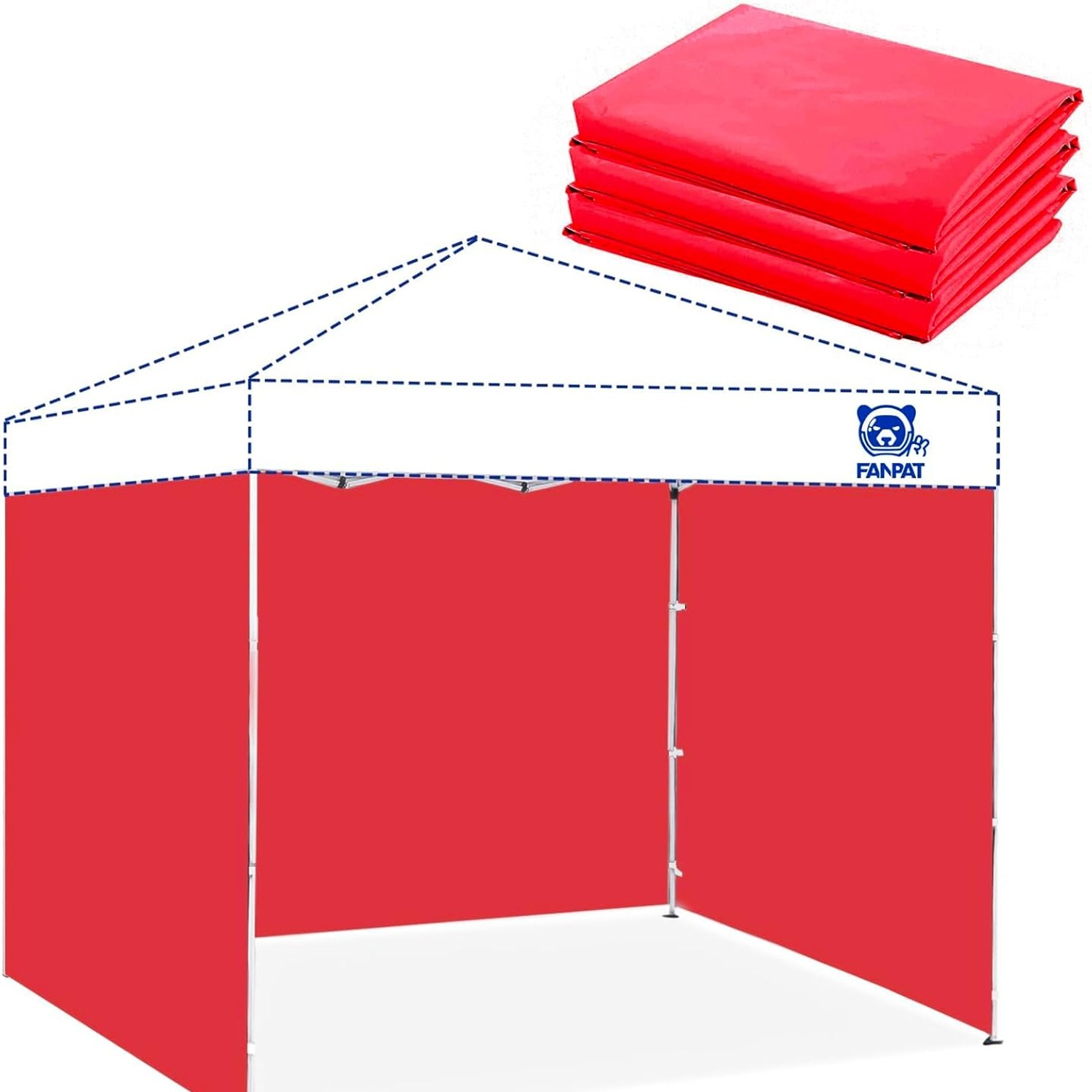
Side walls close that gap. A set of three waterproof gazebo panels turns an open frame into a space with a back and two sides, which changes how it feels to stand under it. The wind drops off. The glare goes. The table stops needing a brick on every corner.
What this set actually is
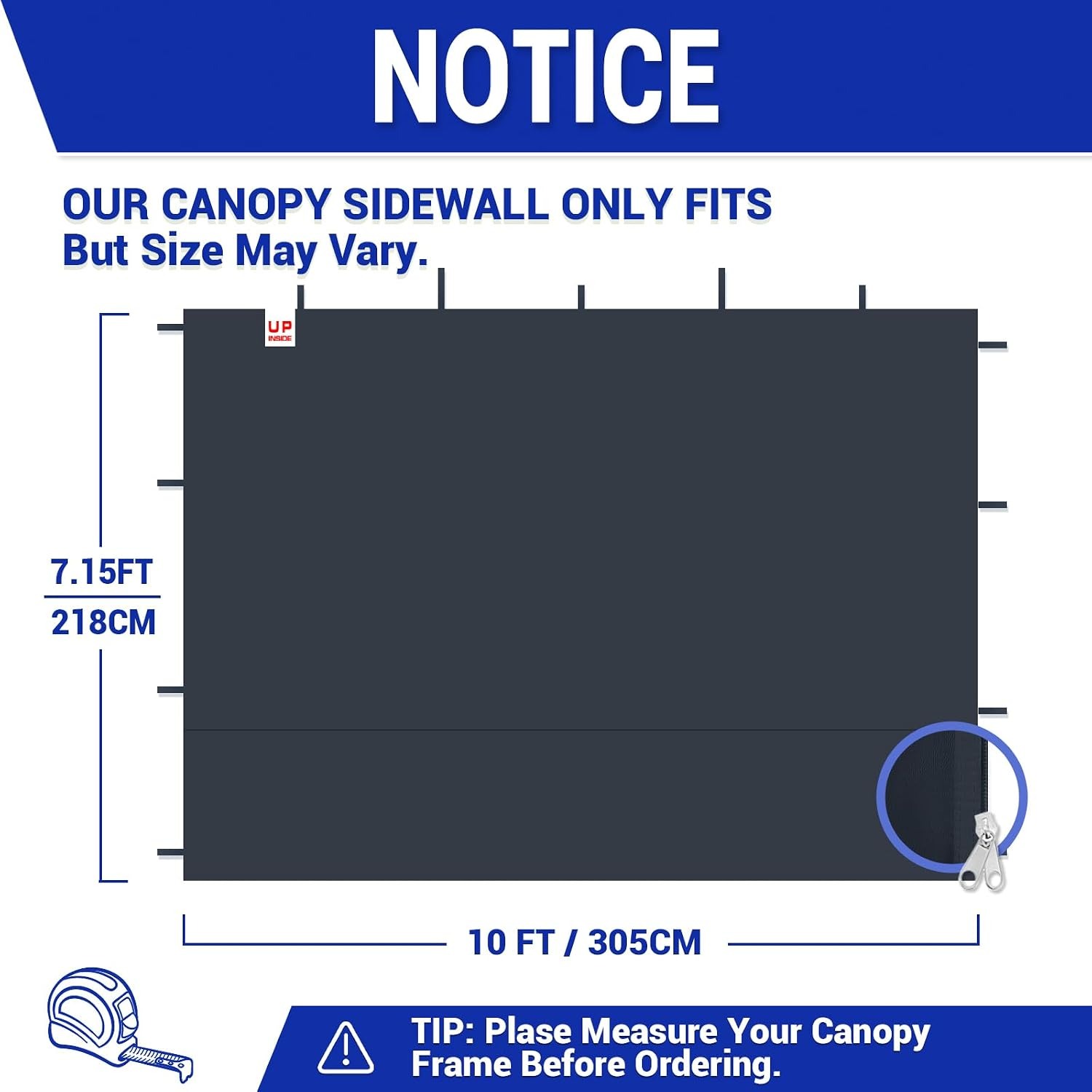
Three polyester panels, each 3 metres wide and 0.86 metres high, in black. Across the set that works out to 9.3 square metres of cover. They are made for most 3 x 3 metre gazebo frames, which is the most common size sold for backyards, camping and market stalls.
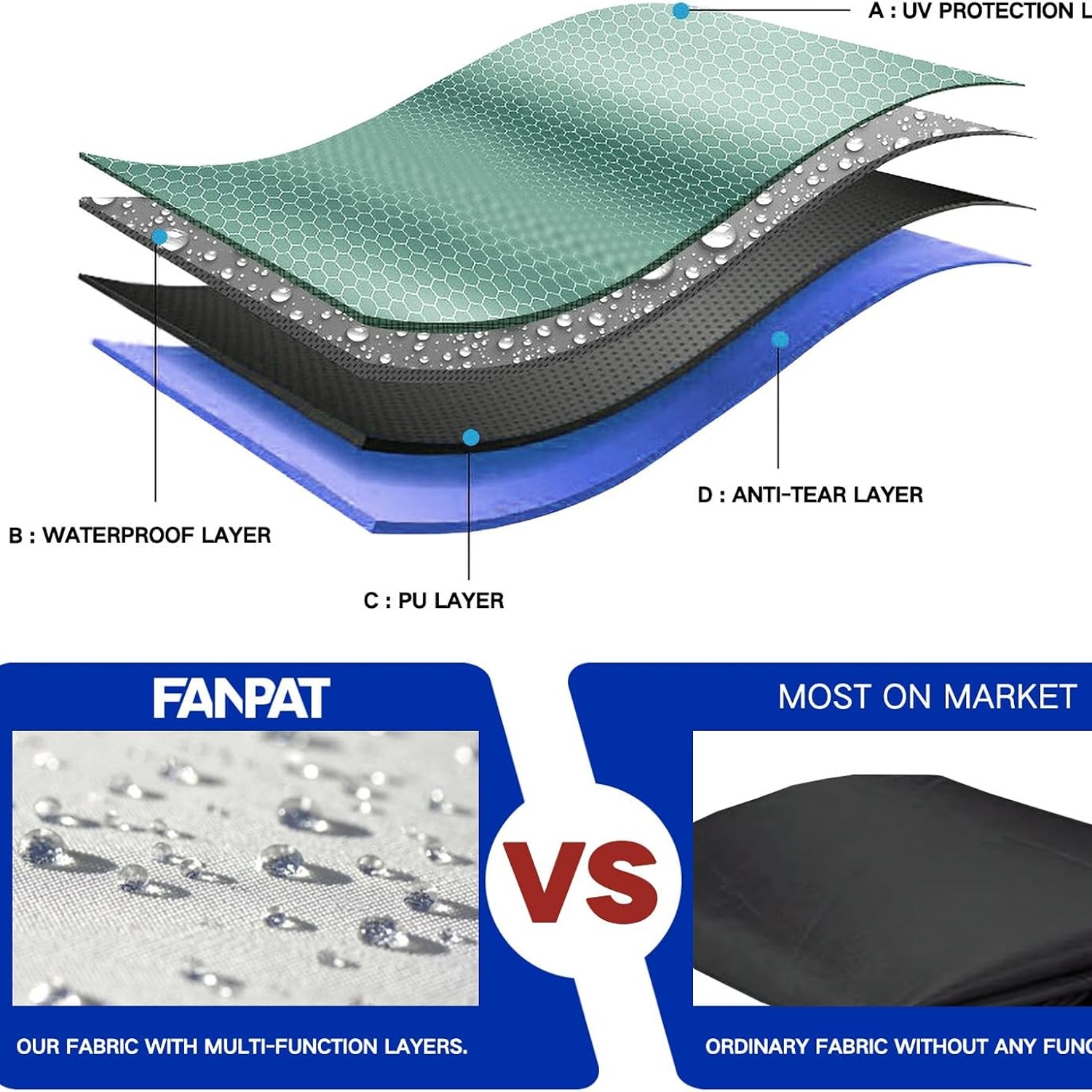
The fabric is listed as waterproof with UV protection. Fixing is hook and loop, so the strips wrap around the frame tubing and press closed. No tools. No assembly. The listed frame and pole material is aluminium, the frame type is fabric, and the closure is hook and loop.
One thing worth saying plainly, because people do get caught out: this is the side walls only. The gazebo frame and the roof canopy are not included. If you do not already own a 3 x 3 metre gazebo, these panels have nothing to attach to.
Why half height instead of full height
A lot of buyers see 0.86 metres and wonder why the panels do not run all the way to the top rail. It is a deliberate design choice and it suits more situations than a full wall does.
Think about where the problems actually come from. Low sun in the late afternoon. Wind at knee and waist level that swirls under the canopy. Rain bouncing up off paving. All of it happens in the bottom metre. A half wall deals with that band and leaves the upper section open.
That open band matters more than you would think. Air keeps moving, so the space does not get stuffy on a warm day. Light still comes in from above, so you are not sitting in a dark box. And if you are running a stall, customers can see you and you can see them, which a full wall completely kills.
The trade-off is honest enough. Half walls will not give you privacy, they will not hold heat the way a full enclosure does, and they will not stop rain driven in horizontally from above. If you need a sealed room, this is not the product. If you want a usable outdoor space with the worst of the weather taken off, it is well judged.
Who these suit
Backyard entertainers get the most obvious benefit. You already have a gazebo over the table. Add side walls and you get another two months of use out of it either side of summer, because a light breeze and low sun stop being reasons to go inside.
Campers and caravanners use them as camping canopy walls around a cooking and eating area. A gazebo over the camp kitchen is good. A gazebo with the windward side closed off is a lot better, especially at coastal sites where the afternoon sea breeze is relentless.
Market traders and event stallholders want them for a different reason. Market stall side walls close off the back and sides so nobody wanders through from behind, stock stops blowing around, and the whole stall reads as a proper space rather than a card table under a tarp.
Trades and community groups use them for shade and shelter at job sites, sports fields and fundraising days. Anywhere you have a pop-up canopy and the wind has a say, side panels earn their place.
How to choose, and what to check first
The single most important check is frame size. Measure the distance from the centre of one leg to the centre of the next leg along one side. If that is close to 3 metres, this set is designed for you. If your gazebo is a 3 x 6, a 2.5 x 2.5 or one of the hexagonal designs, the panels will not sit right and you should look elsewhere.
Second, look at how your frame is built. Hook and loop strips wrap around tubing, so they work on round and square legs alike. Very thick or oddly shaped uprights can stretch the strip and reduce grip, so measure the tube if your frame is a heavy commercial type.
Third, think about how many sides you actually need closed. Three is the usual answer. You close the back and the two sides, and leave the front open as the entrance. If you genuinely need all four, you will need a second set or a single matching panel, and you should confirm the sizing lines up before you combine products.
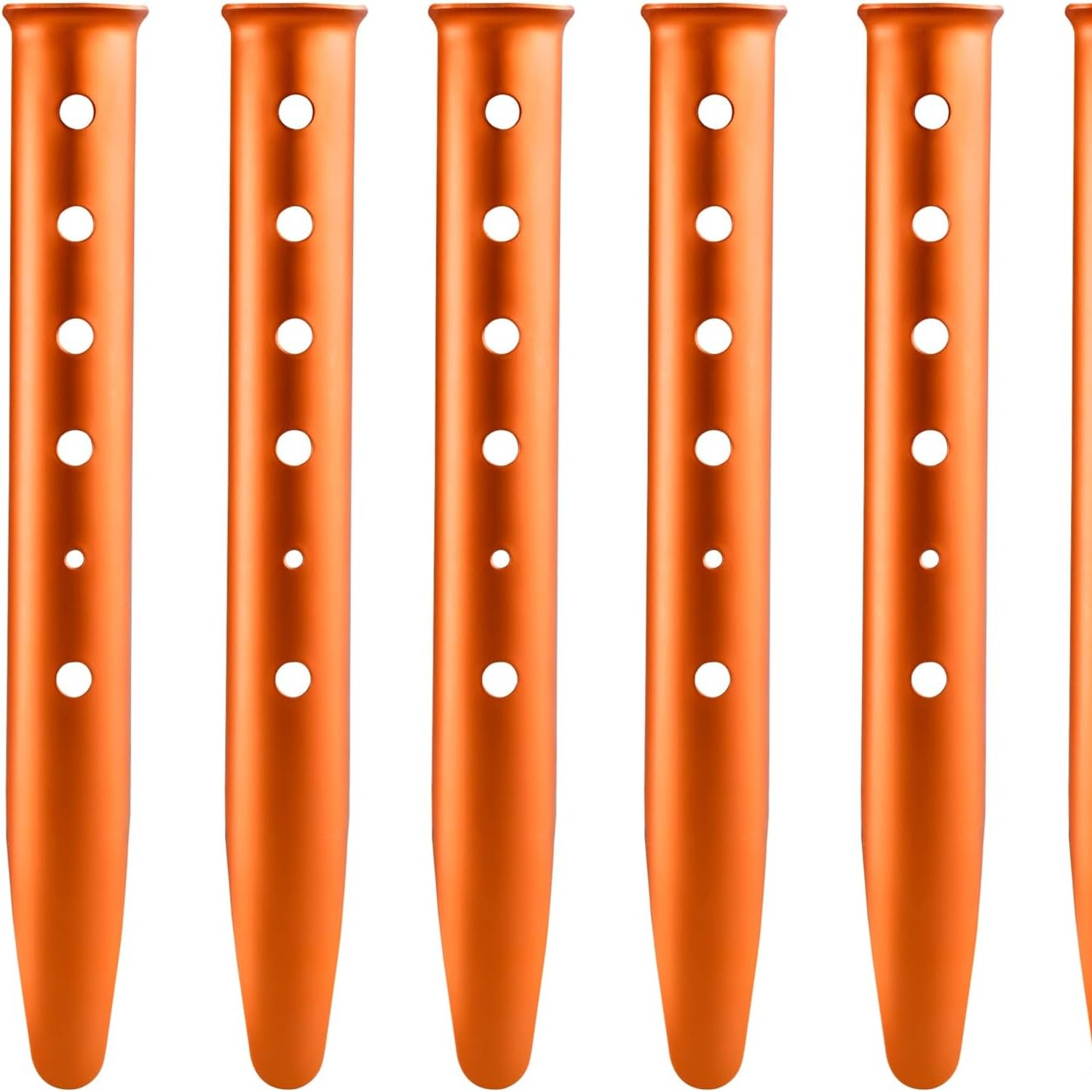
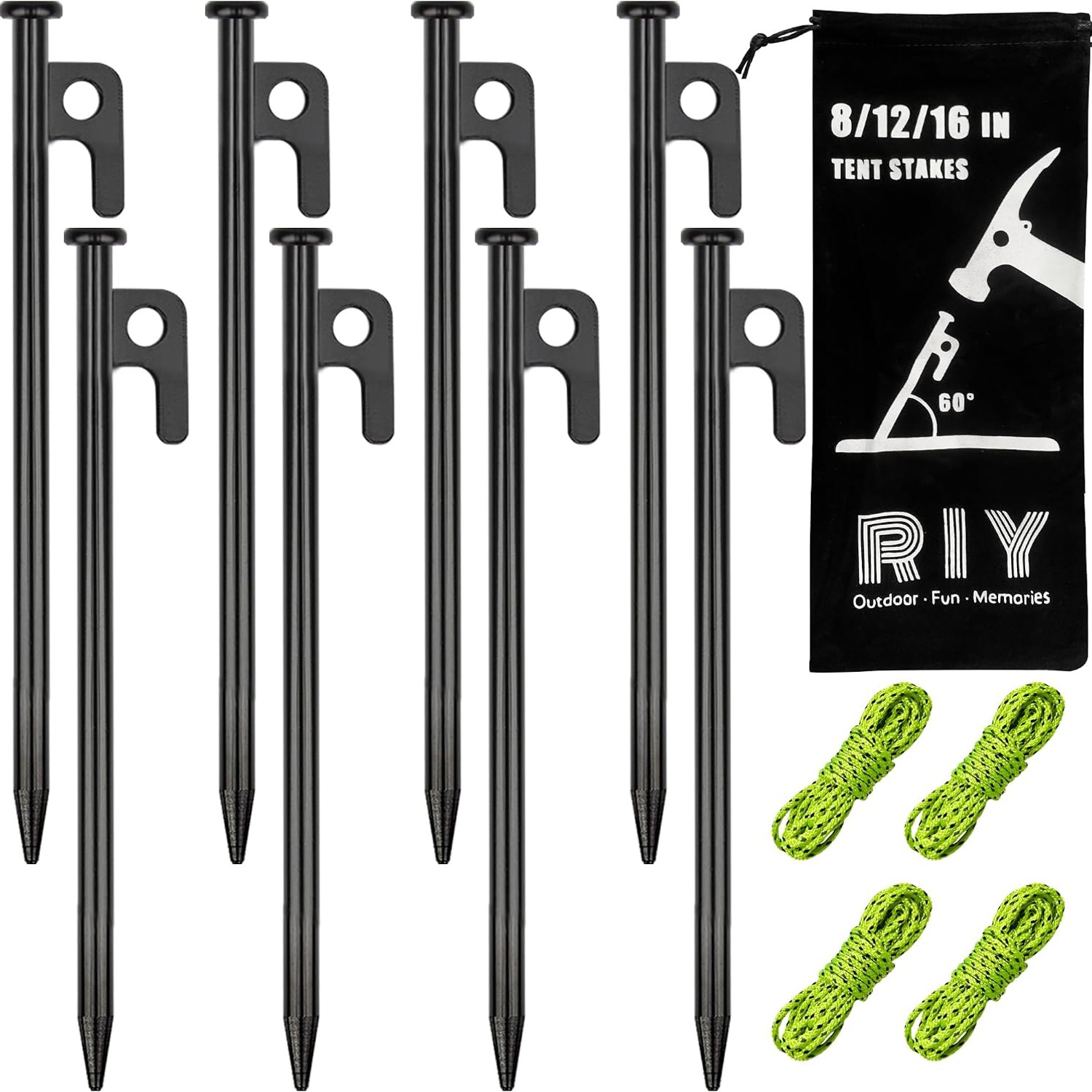
Finally, be realistic about wind. This is the part people skip. The moment you add side walls, your gazebo stops being a frame that wind passes through and becomes a surface that wind pushes on. The load on the legs goes up considerably. Weight or peg every leg properly, and take the panels off before strong winds arrive rather than after. Gazebos that fail in wind almost always fail because nobody anchored them, not because the fabric gave way.
Fitting them without the fuss
Start with the panel that goes on the windward side, since that is the one you most want secure. Hold the top edge against the frame rail, wrap the hook and loop strips around and press them closed, working from one end to the other so the fabric hangs straight.
Then do the leg strips. Pull the panel taut as you go. A slack panel flaps, and flapping is what wears fabric out and keeps everyone awake at a campsite. Taut is quiet.
Repeat for the other two panels, overlapping slightly at each corner so there is no open slot where the wind can get a grip. The whole job takes a few minutes once you have done it once, and because nothing needs holding in place, one person can manage it alone.
Looking after them
Polyester is easy to live with as long as you observe one rule. Dry before storage. Folding damp fabric into a bag is how you end up with mildew spots and a smell you cannot get out.
For cleaning, a soft cloth with mild soap and cool water handles mud, dust and bird mess. Rinse it off and let the panel air dry. Keep them out of the washing machine and away from the dryer, bleach and the iron.
Give the hook and loop strips a little attention too. Grass seed, sand and fabric fluff work into the loop side over a season and the grip drops off. A stiff brush or an old comb pulls it out and restores the hold.
Store the set somewhere dry and out of direct sun. Folded loosely in a tub or a bag in the shed is ideal. Sun is harder on fabric over time than rain is, so a panel that lives permanently on a frame in full sun will fade sooner than one that gets packed away.
The short version
If you already own a 3 x 3 metre gazebo and you keep running inside because of wind, glare or sideways rain, these panels are a cheap fix for a real problem. Three waterproof polyester walls, 3 metres wide and 0.86 metres high, hook and loop fixing, no tools, a few minutes to fit.
They will not seal the space or give you privacy, and they will not save a gazebo that is not anchored. What they will do is make the space under your canopy genuinely usable when the weather is less than perfect, which for most people is most of the time.
Check your frame measures close to 3 metres between leg centres, remember the roof and frame are not included, and anchor the legs properly once the walls are on.