
The complete guide
How To Choose A Soft Cooler Bag That Actually Keeps Up
The problem with the esky in the shed
Most households own a cooler they do not really like. It is either too big to bother with or too small to be useful. It lives in the garage, it takes up a shelf, and half the time you leave it behind because dragging a rigid plastic box to the beach feels like more effort than the cold drinks are worth.
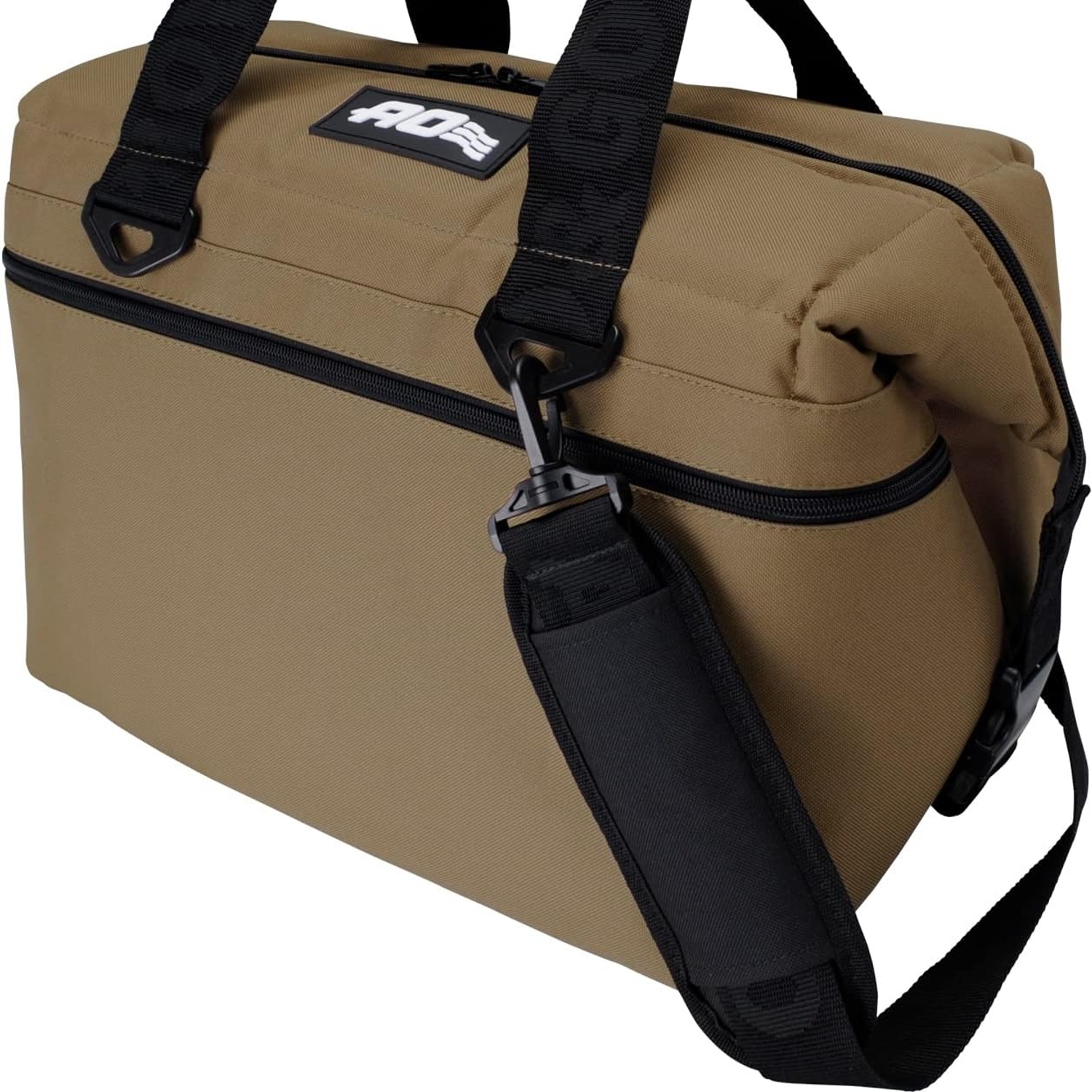
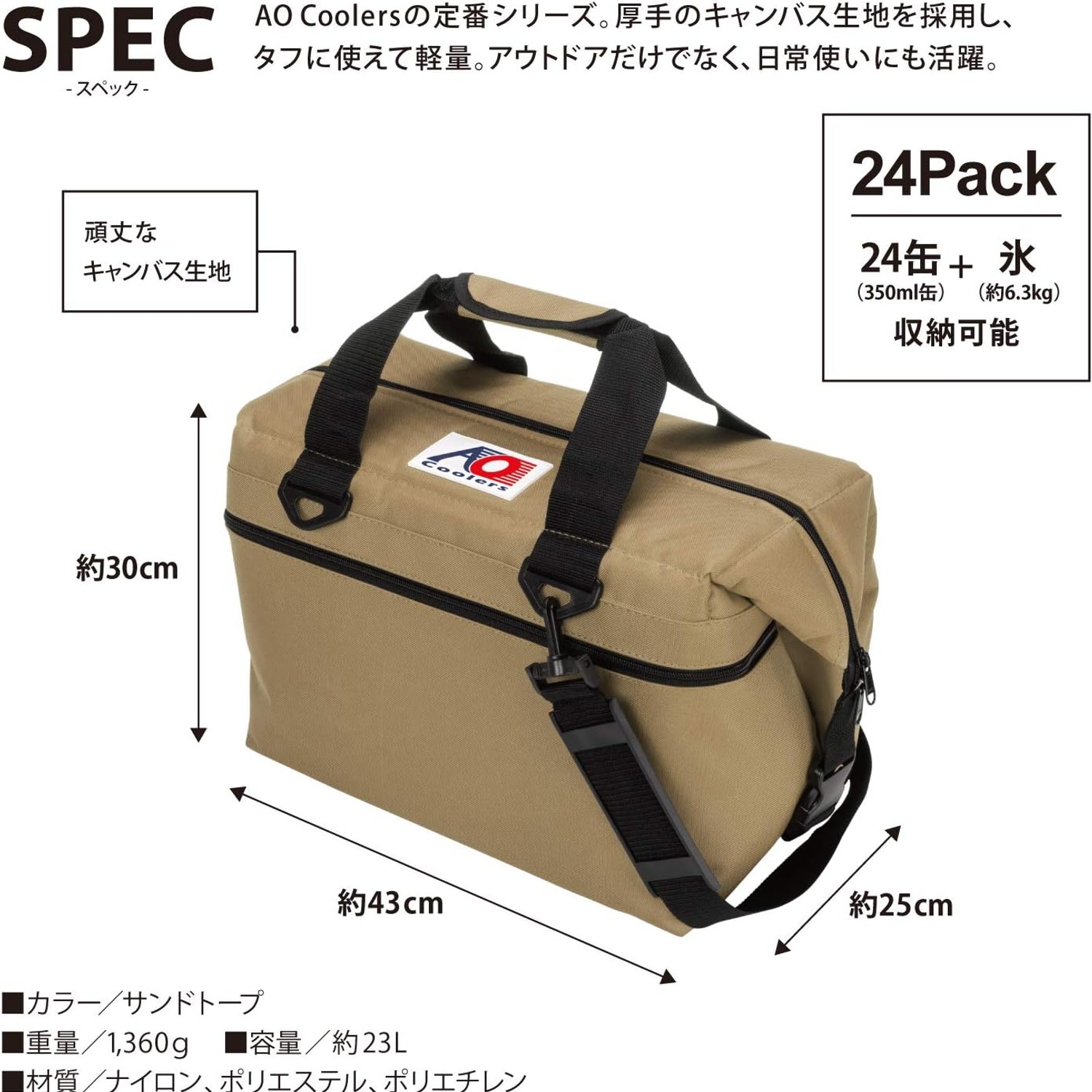
That is the gap a soft cooler fills. A canvas soft cooler folds down when it is empty, carries like a bag rather than a box, and stores in the space a couple of shoeboxes would take. The AO Coolers Canvas Soft Cooler 24 Can sits right in the middle of that range, with a 23 litre chamber sized around a 24 can load and a listed empty weight of 225 g.
How a soft cooler keeps things cold
Every cooler works the same way at heart. It slows the movement of heat from the outside world into your drinks. There is no cooling happening, only delay. The ice you put in is the engine, and the insulation decides how long that engine runs.
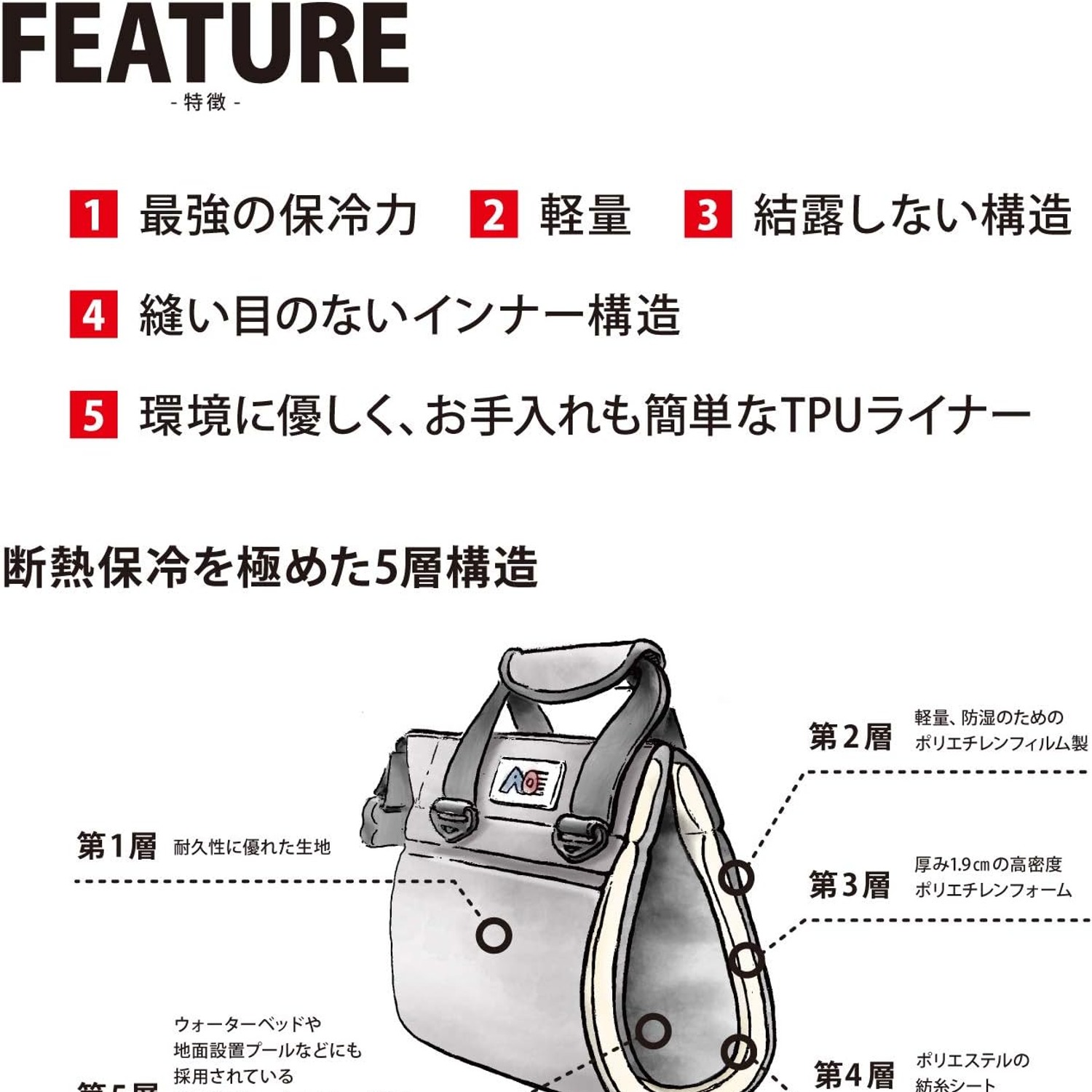
In this bag the insulation material is listed as thermoplastic polyurethane, with nylon and polyester making up the rest of the build. TPU is a flexible plastic used across all sorts of water-holding gear, which is part of why it turns up in soft-sided coolers. It bends without cracking and it is not bothered by melt water.
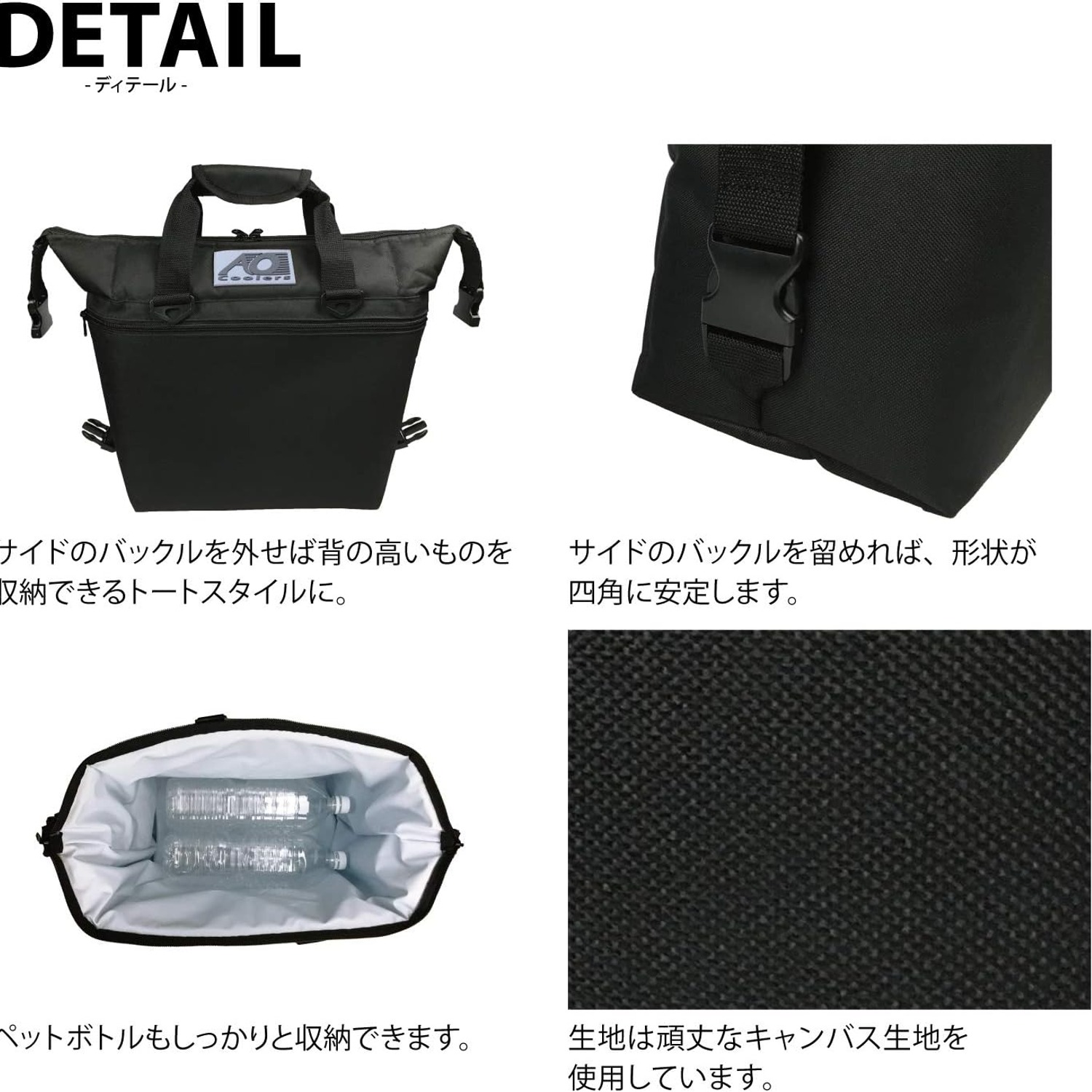
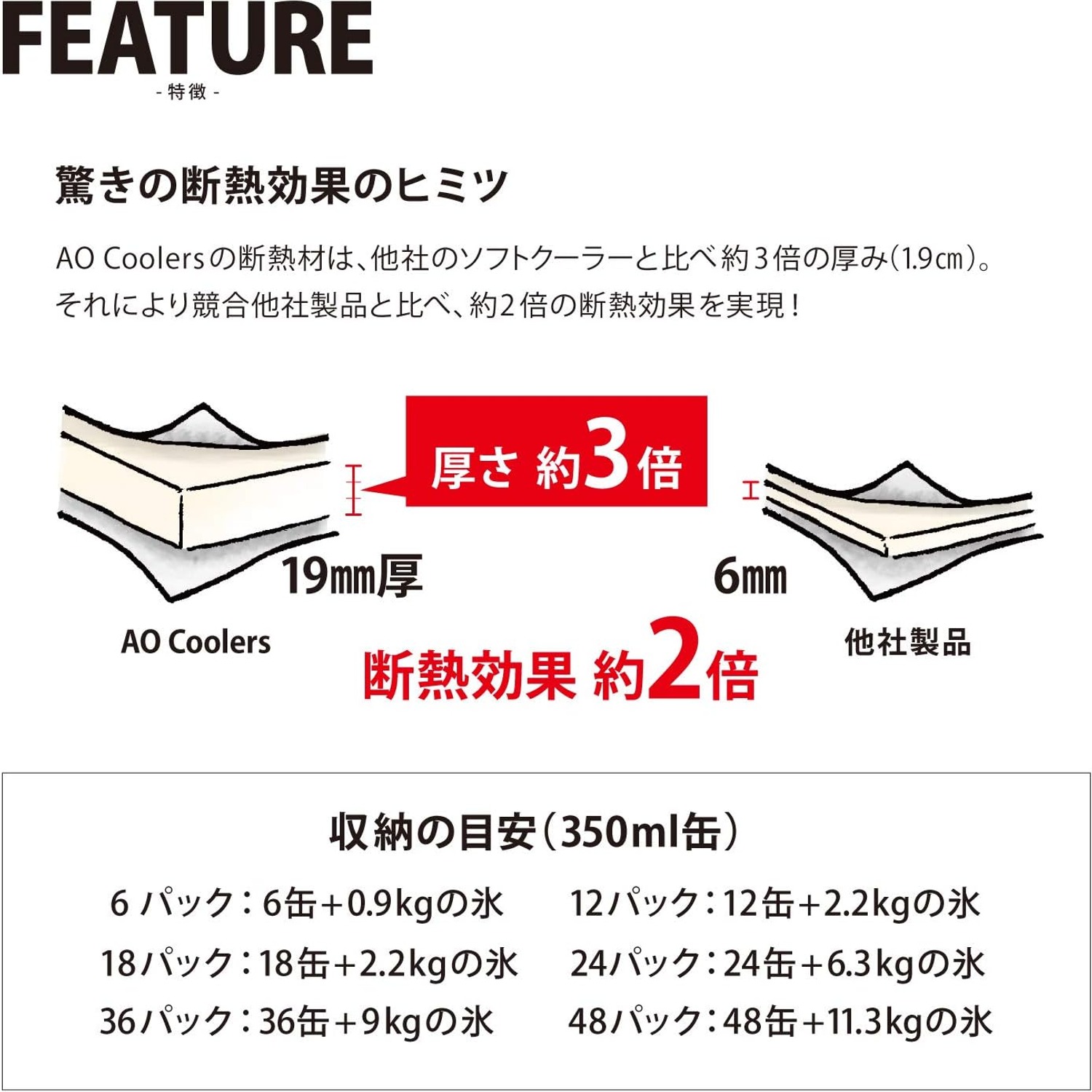
The important thing to understand is that a soft cooler is a compromise by design. You give up some of the thick rigid insulation of a hard esky, and in exchange you get something you will actually take with you. For a day at the park or a morning on the water, that trade is usually the right one. For a four day camp in summer heat, it is not.
Who this size suits
Twenty four cans is a useful benchmark because it maps to how people actually pack. It is about right for two people over a long day, or four or five people over an afternoon. It is a good fishing cooler bag for a solo trip, and a reasonable team drinks bag for a junior sport match.
The listed footprint is 25 cm deep, 43 cm wide and 30 cm high, which fits in a boot alongside chairs and a bag of towels. If you are routinely feeding a crowd or doing overnight trips, you will want more volume. If you only ever pack lunch for two, a smaller bag will be less fuss. The 23 litre point is the sweet spot for people who want one cooler that covers most of what they do.
AO lists the recommended uses as outdoors, fishing, sports, picnics, travel and home storage. That last one is worth noting. Plenty of people buy a bag like this and end up using it most often for the hot drive home from the supermarket.
Weight is the quiet deciding factor
A hard cooler can weigh several kilograms before you put anything in it. Add six or seven kilos of ice and a two dozen drinks and you are hauling a serious load across soft sand. The listed item weight here is 225 g, so almost all of the carry is contents.
If you have ever walked a kilometre of beach track with a cooler banging against your leg, you already know why this matters. The best lightweight esky is the one that makes you less likely to leave the drinks in the car.
Packing it properly
How you load a cooler changes its performance more than most people realise.
Start with cold drinks. A cooler cannot chill warm cans in any useful timeframe, it can only hold cold ones. Pull the drinks from the fridge, not the pantry.
Fill the space. Air is the enemy. A half-empty cooler warms up much faster than a full one, so top the gaps with extra ice or a rolled towel.
Use bigger ice where you can. Block ice and frozen two litre bottles last longer than cubes because there is less surface area melting at once. Frozen bottles have the bonus of giving you cold water later.
Leave the melt water alone. Cold water still does a job. Only drain it when you need the room or when you are heading home.
Keep the bag shaded and keep it shut. Every time you open the lid you swap cold air for warm air. On a hot day that adds up quickly.
Care and cleaning
Insulated bags are easy to look after and easy to ruin. The main rule is simple. Dry it before you store it.
After a trip, empty everything out and tip the melt water away. Wipe the inside with warm water and a little mild detergent, then rinse off the soap. If anything has leaked or if there is a fishy smell, a wipe with bicarbonate of soda and water usually handles it.
Then leave the bag open somewhere airy until it is bone dry. A cooler stored damp will smell within a week, and that smell is hard to shift once it settles in.
Do not machine wash it, do not tumble dry it, and do not put it through a dishwasher. Heat and agitation can separate the insulation from the shell. Store it open or loosely folded rather than crushed under a pile of camping gear, so the liner does not set into hard creases.
What to check before you buy any cooler
A few questions save a lot of regret.
How many people do you normally pack for, and how long are you out? Match litres to that, not to the biggest bag on the shelf.
Where will it live between trips? If storage space is tight, a soft bag that folds flat beats a rigid box every time.
How far do you carry it? Short walk from the car, and weight hardly matters. Long walk over sand, and it matters more than anything else.
What are you putting in it? Cans and bottles sit happily in a soft bag. If you are carrying food that must not get squashed, a rigid cooler protects it better.
Soft versus hard, honestly
There is no single winner here. A hard cooler holds ice longer and takes more abuse. It is the right tool for multi day trips, for a boat that gets knocked around, and for anywhere you need a seat as well as a cold box.
A soft cooler wins on everything to do with convenience. It is lighter, it packs away, it fits spaces a box will not, and it is far more likely to come with you. Most families who own both reach for the soft one four times out of five.
If you only own one, pick based on your most common trip rather than your rarest one. The best cooler for day trips gets used every weekend. The expedition cooler comes out twice a year.
The short version
The AO Coolers Canvas Soft Cooler 24 Can is a 23 litre soft-sided bag with a thermoplastic polyurethane insulation layer, built around a 24 can load. It measures 25 by 43 by 30 cm, weighs a listed 225 g, and comes in a plain sand taupe.
It suits picnics, fishing, sideline sport, travel and the drive home from the shops. Pack it full, pack it cold, keep it in the shade, and dry it out before it goes back on the shelf. Do that and it will quietly do its job for years.