
The complete guide
How To Choose A Wheeled Cooler Box That Actually Keeps Its Chill
The real problem with coolers
Everyone has had the same moment. You load a hard cooler with ice, drinks and food, shut the lid, then try to lift it. It has quietly gained twenty kilos. The walk from the car park to the picnic table turns into a series of short carries with a break in between, and by the time you sit down you are hotter than the drinks you came to cool.
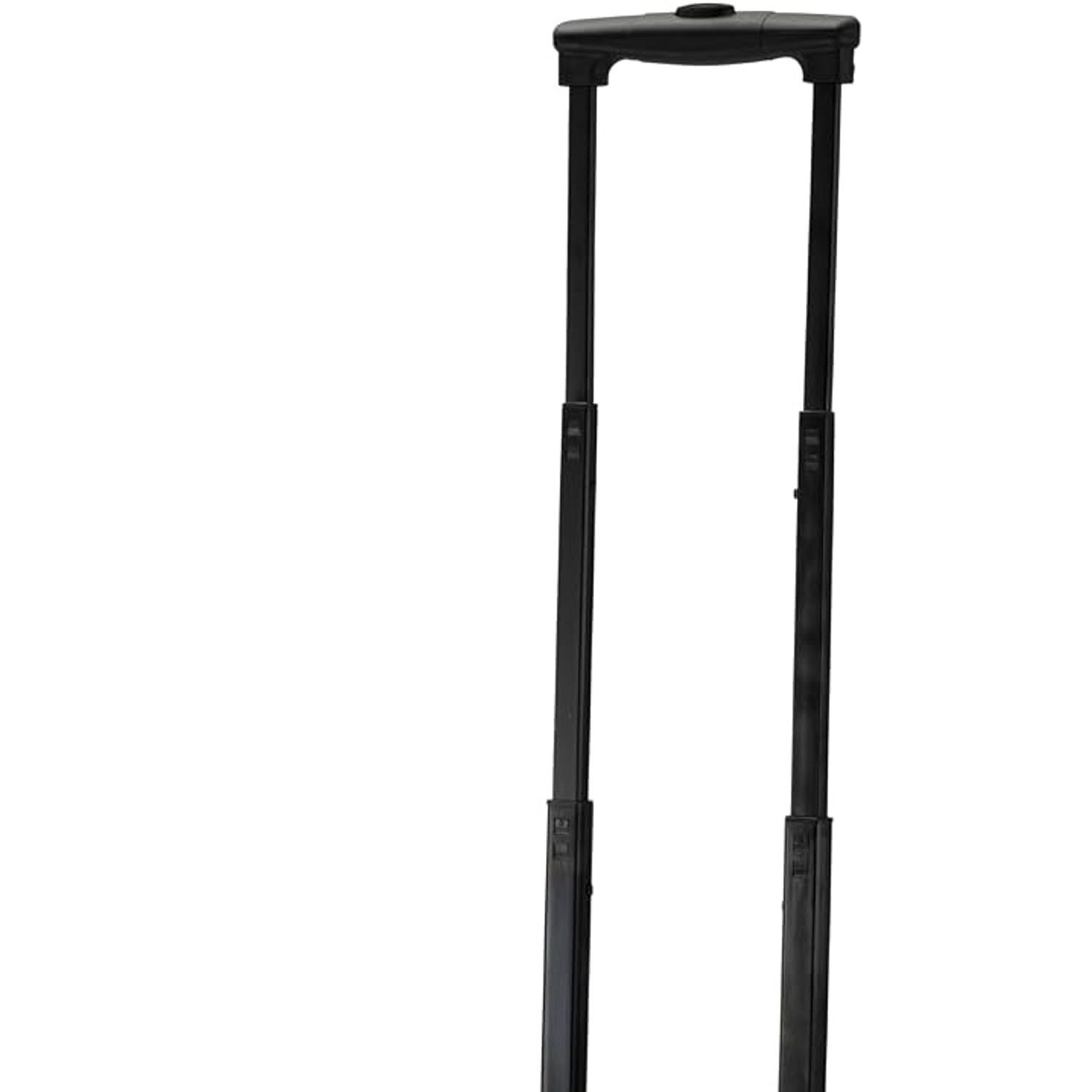
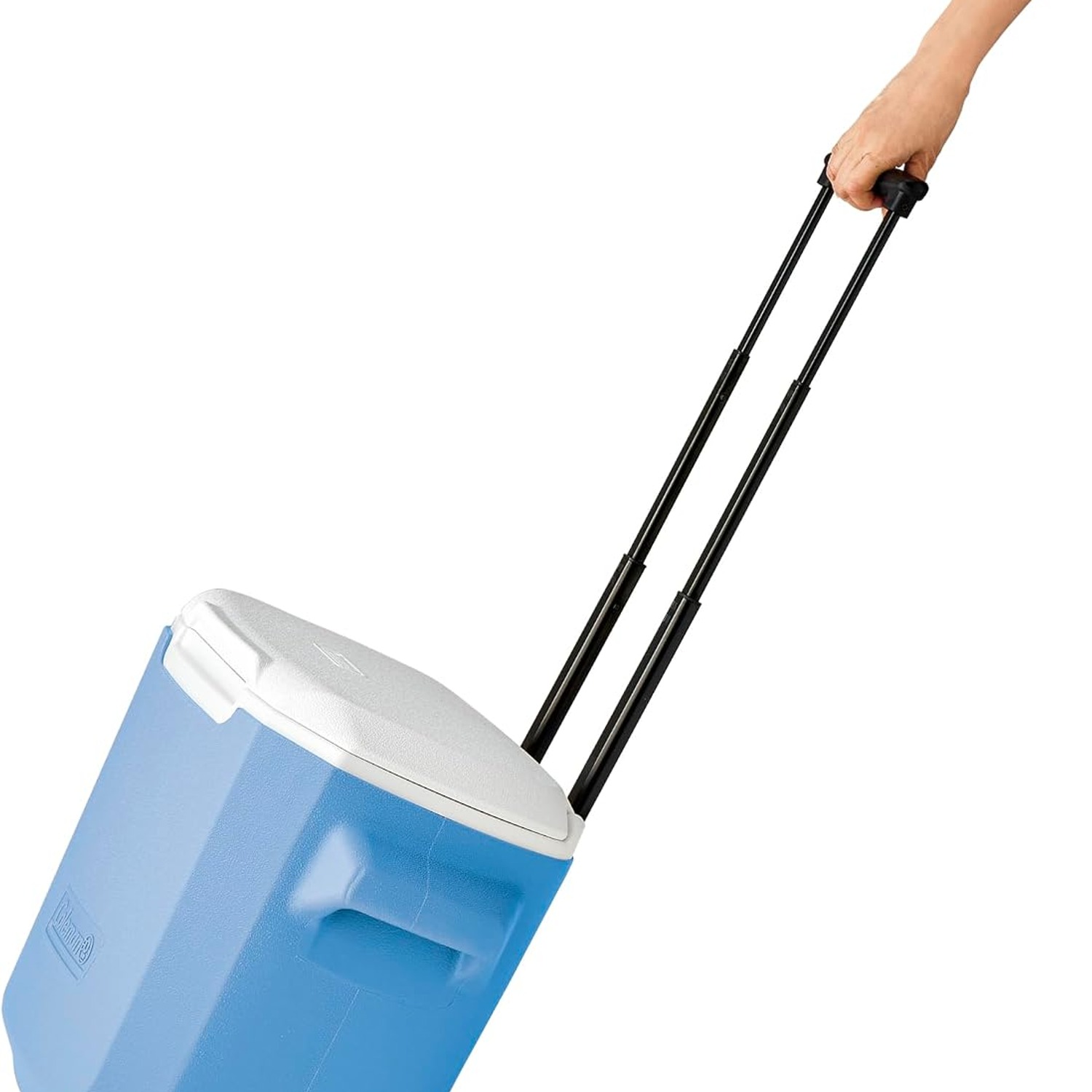
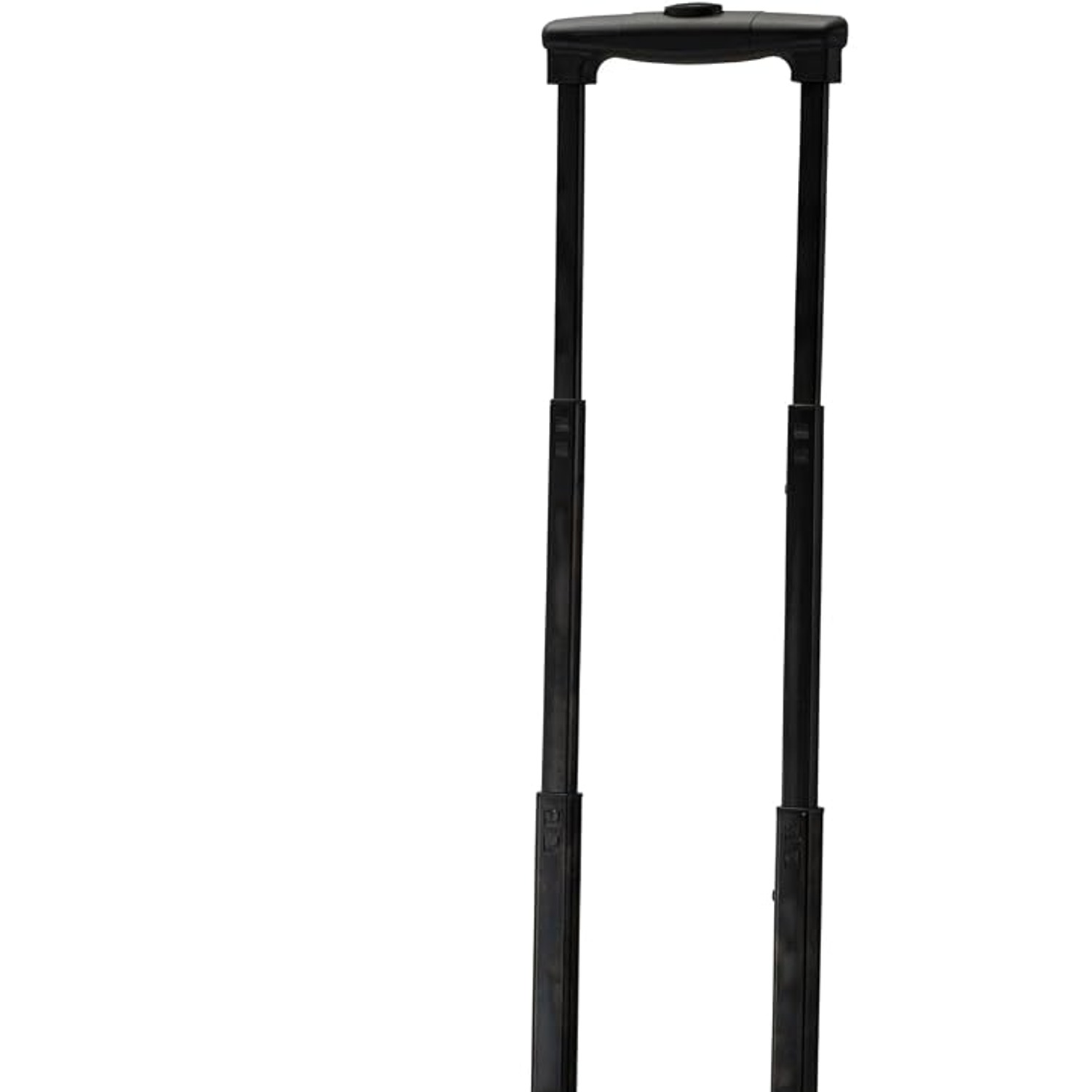
That is the problem a wheeled esky fixes. The cooling part has been well understood for decades. Insulated walls, a sealed lid, plenty of ice. The hard part has always been moving the thing once it is full. Putting wheels on one end and a pull-out handle on the other changes the job from lifting to rolling, and rolling is something almost anyone can do.
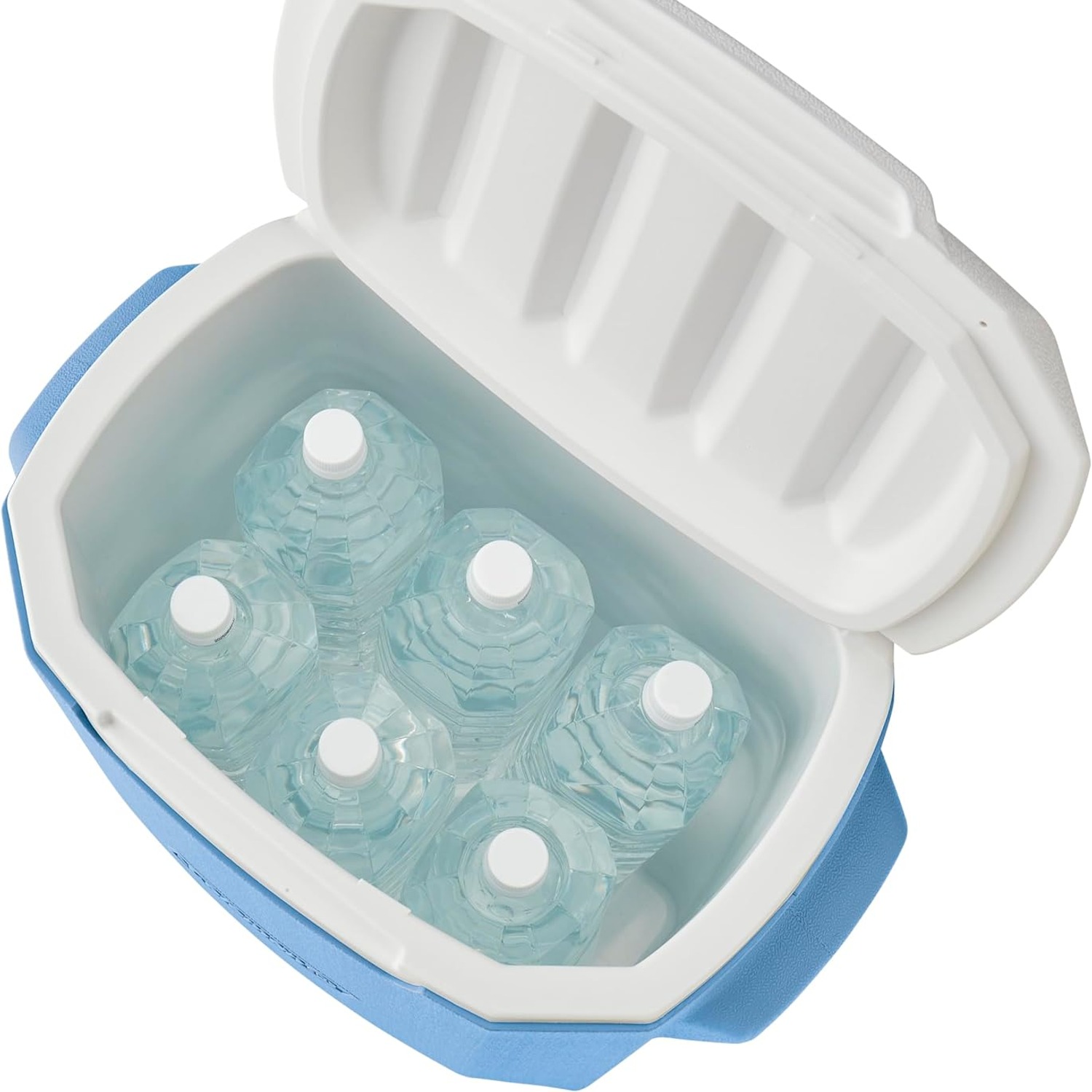
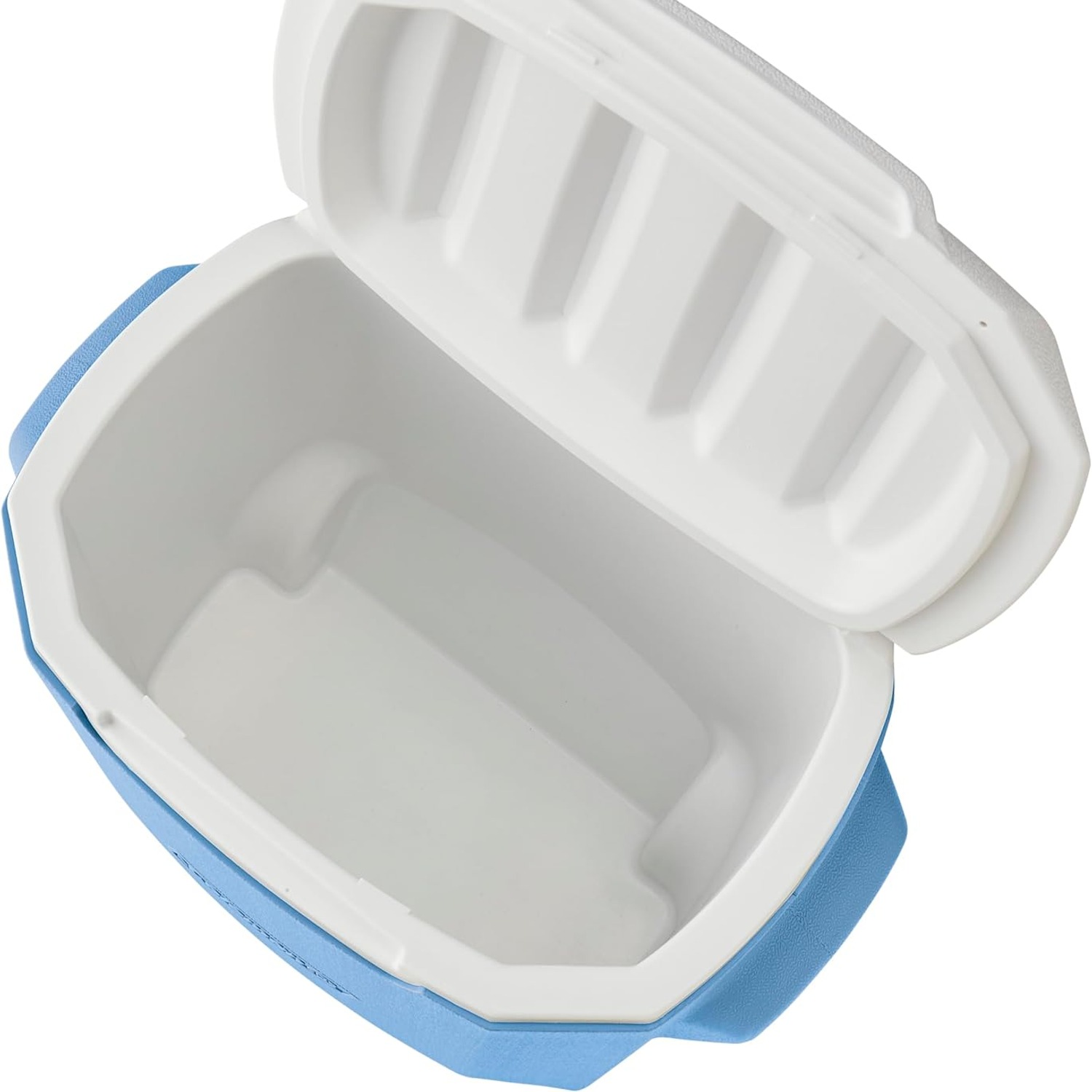
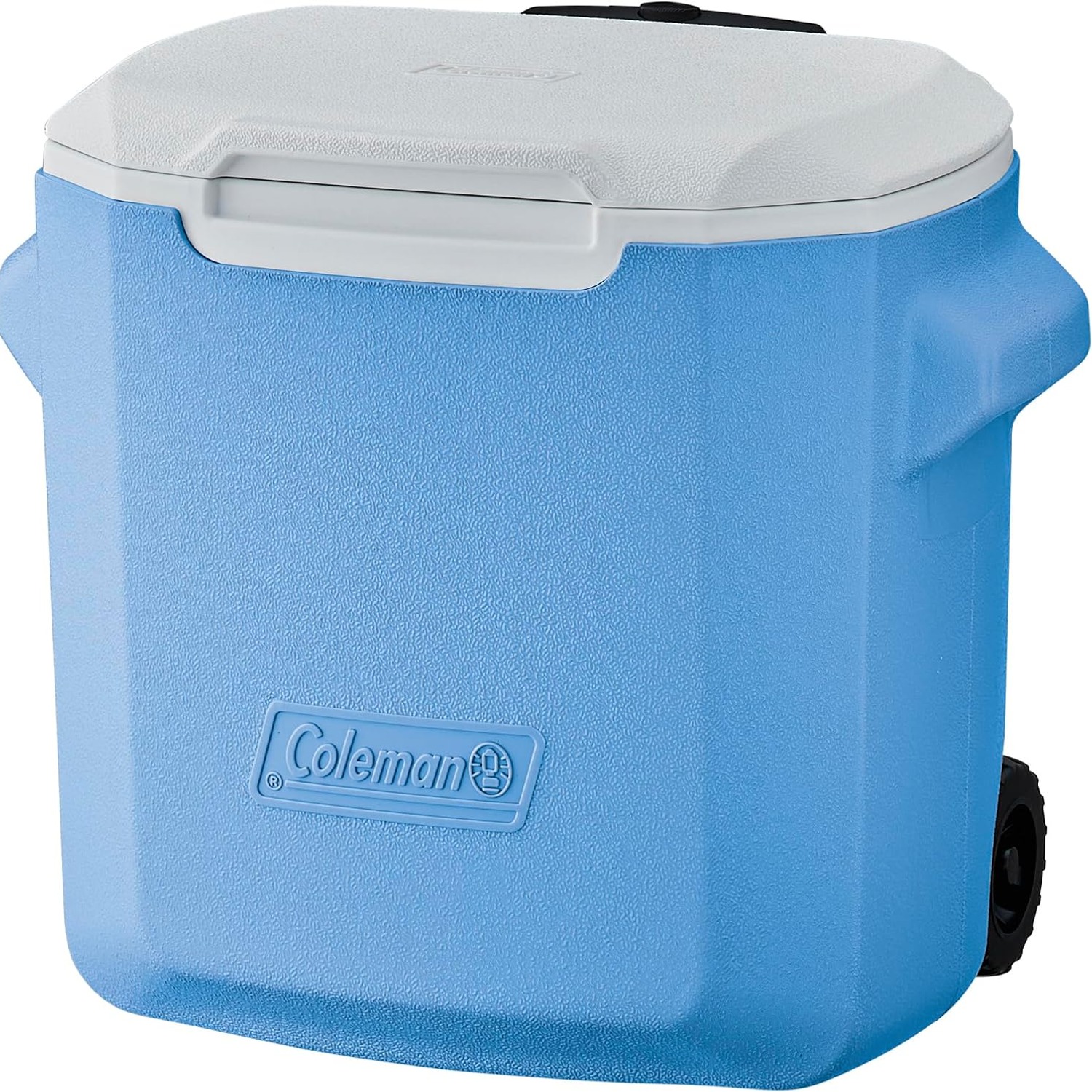
This Coleman cooler box is a 26 litre hard-sided model built around that idea. The shell is polyethylene, the insulation is a polyurethane foam layer, and the hardware is alloy steel. Coleman lists the outer size as 42 cm deep, 34 cm wide and 42 cm high, with a 14 inch chamber depth inside. Capacity is 26 litres, which the brand describes as room for six 2 litre bottles standing upright.
How a cooler like this keeps things cold
There is no refrigeration happening here. A cooler is a box that slows down the movement of heat. Your ice does the cooling, and the insulation simply buys that ice more time. Everything you do to the cooler either helps the ice last or wastes it.
The foam layer in the walls and lid is the main defence. It traps still air, and still air is a poor conductor of heat. Coleman states this model keeps cold for about two days when used properly, and that last phrase carries a lot of weight. Two days is what you get with a cold start, a full load and a lid that mostly stays shut. Leave it open on the tailgate in the afternoon sun and you will be lucky to see one.
Three things decide the result more than anything else. The first is how much ice you put in. A cooler that is three quarters ice will hold far longer than one with a token bag thrown on top. The second is air space. Empty volume fills with warm air every time you open the lid, so a full cooler outperforms a half-empty one. The third is sun. Shade is free and it works, so park the cooler under a tree, a tarp or the car rather than on open ground.
A fourth factor people forget is the starting temperature. Warm drinks loaded into a cooler will use up a big share of your ice just getting down to temperature. If you can, chill the drinks in the fridge the night before and pre-chill the cooler itself with a sacrificial bag of ice an hour ahead. That small bit of planning often doubles your useful cold time.
Who this size suits
Twenty six litres sits in a useful middle ground. It is not a day-trip lunchbox and it is not an expedition box that needs two people to load. It is the size you take when you want drinks for a group and a bit of food to go with them.
For a family at the beach, it handles bottled water, juice, a few cans and some fruit with ice around them. For club sport, it covers a team's drinks on a hot day, and the wheels matter when the car park is nowhere near the field. For camping, it is a solid choice when you are car camping near the site, holding a weekend of food for two or a day for four.
Where it starts to struggle is long trips with big groups, or any situation where you cannot top up ice. A camp of six people over four days will outgrow 26 litres by the first dinner. If that is your pattern, buy bigger and expect to carry it with two people, or run two coolers and keep one closed as the cold reserve.
It is also worth thinking about the trip from car to spot. Hard flat ground, grass and firm sand are easy rolling. Deep soft sand and rocky tracks are hard going for any rolling ice chest, and for those you will end up carrying it anyway. If every outing involves soft sand, a smaller soft cooler with a shoulder strap may suit you better.
Packing it so it works
Coleman gives one instruction that is easy to skip and worth following. Put your contents into a bag or container before they go in the cooler. Loose food sitting in meltwater goes soggy, the interior gets messy, and cleaning afterwards takes far longer than it should. Sealed containers and zip bags solve all of that in one move.
Beyond that, a simple method works well. Put a layer of ice or frozen bricks on the bottom. Stand your bottles up, since the 14 inch depth is designed for exactly that. Pack food containers into the gaps. Then add more ice on top, because cold falls and ice at the top chills the whole load rather than just the bottom layer.
Keep the things you reach for most near the top. Every time the lid opens, warm air pours in, so a layout that lets you grab a drink in two seconds saves more ice than most people expect. If you are packing for two days, think about a separate small soft cooler for the drinks you will open constantly, and keep this one closed for the food.
Meltwater is a matter of preference. Cold water is actually a good conductor of cold and helps keep contents chilled, so there is an argument for leaving it. If your food is in sealed containers, leaving the water in is fine. If anything is loose or you are about to move the cooler, tip it out.
Looking after it
Hard coolers last a long time if you do two simple things. Clean them after use and dry them before storage.
After a trip, empty everything and tip out the water. Wipe the inside with warm water and a little mild detergent, rinse, then leave the lid wide open until every surface is dry. Damp trapped under a sealed lid is the one thing that turns a good cooler into a smelly one. If a smell does appear, a wipe with a weak bicarb solution usually clears it.
Avoid harsh solvents and scouring pads on the polyethylene surfaces. They scratch the plastic, and scratches hold odours. For the wheels and handle, a rinse to clear sand and grit is enough, since grit is what wears moving parts over time.
Store it under cover rather than outside. Sun and weather are hard on plastics, and a cooler kept in a garage or shed will still look right in five years. Prop the lid slightly open while it sits in storage so air can move through.
The short version
This is a 26 litre Coleman cooler box with wheels and a telescoping handle, built from polyethylene with polyurethane foam insulation and steel hardware. It measures 42 x 34 x 42 cm, has a 14 inch chamber depth, and holds six 2 litre bottles upright. Coleman says it keeps cold for about two days when used properly.
Buy it if you want a hard esky with wheels for beach days, picnics, club sport and short camps, and you are tired of lugging a loaded cooler across a car park. Pack it full, pack it cold, keep it shaded and keep the lid shut, and it will do the job for years. If you regularly feed six people for four days, go bigger. For everything else, this size is the one that actually leaves the house.