
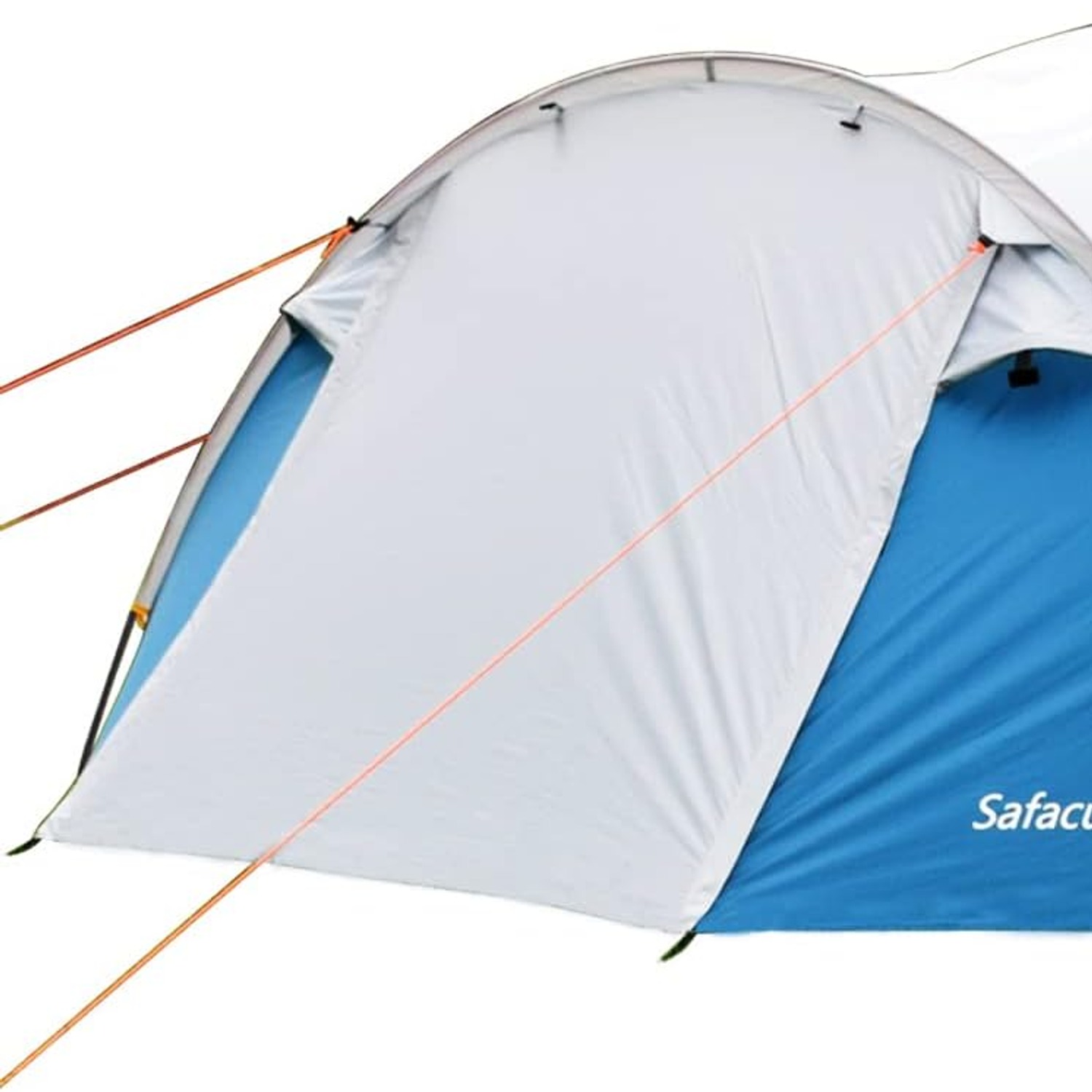
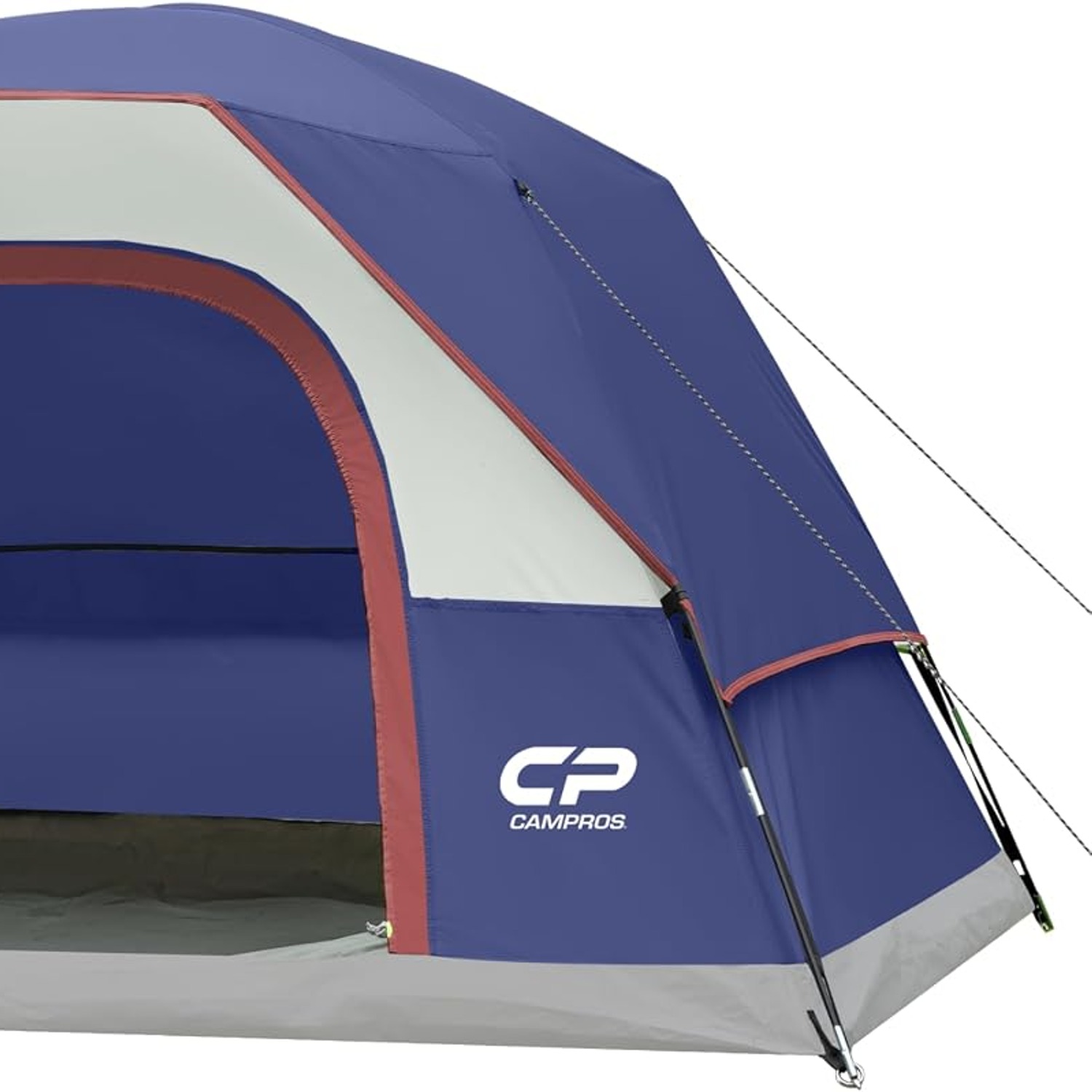
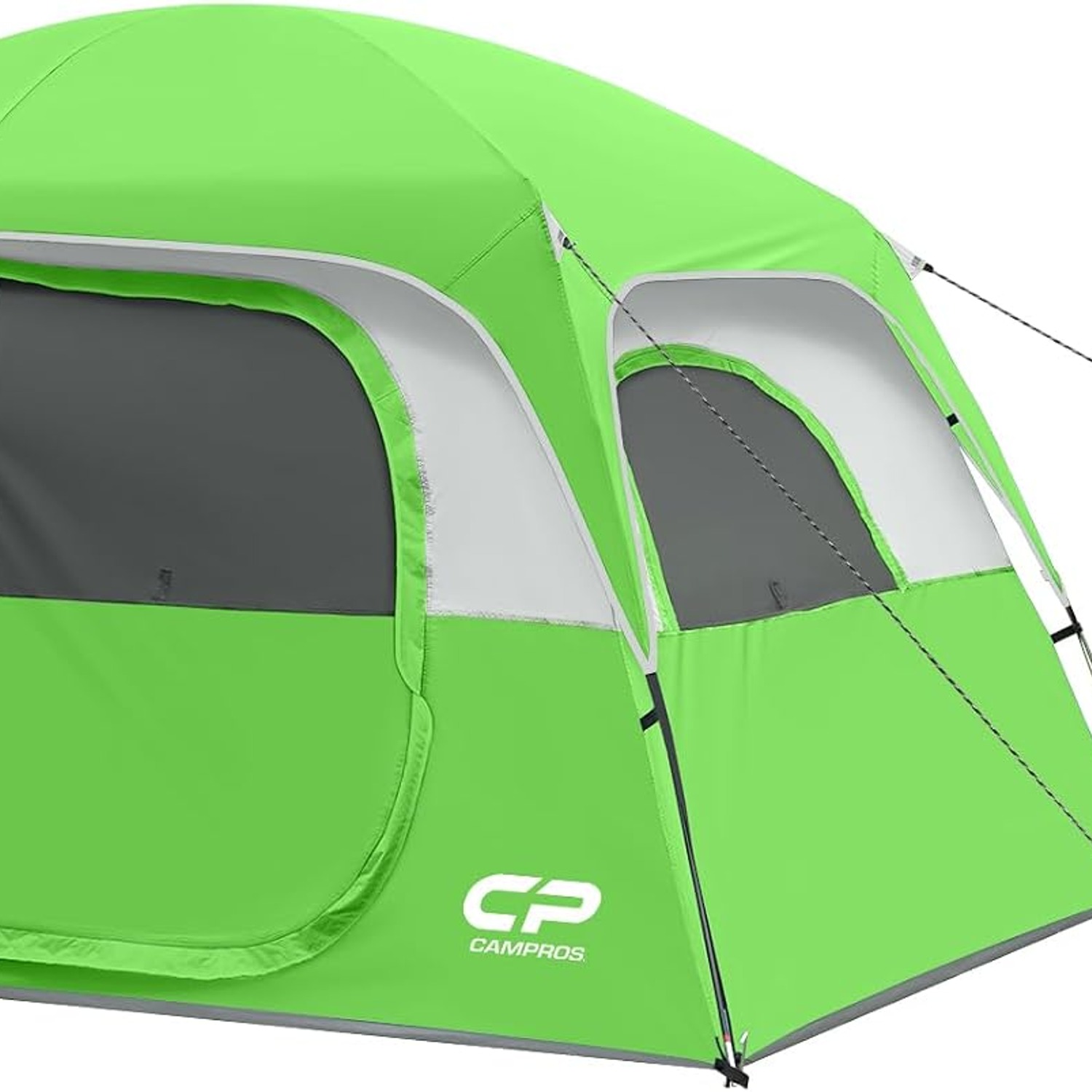
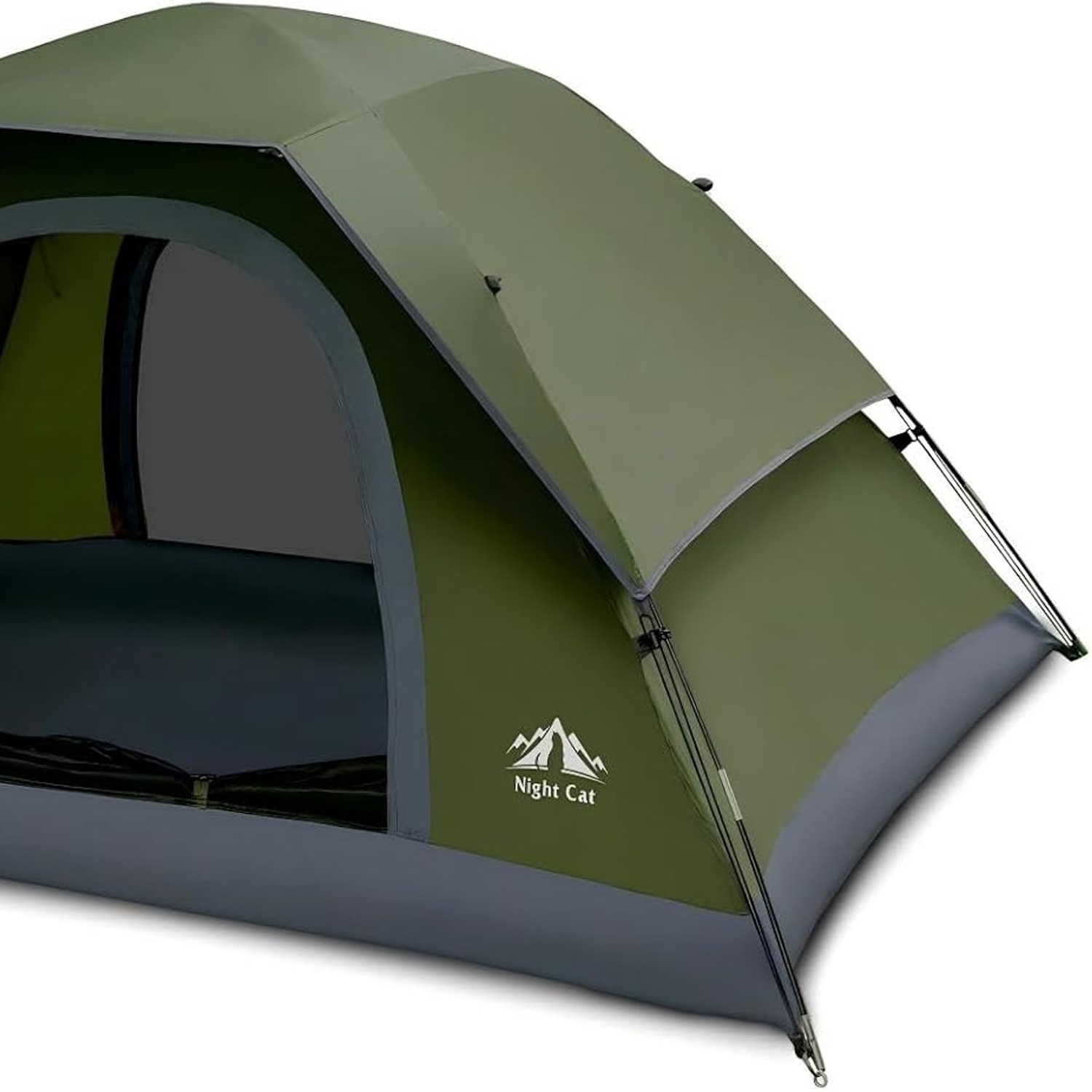
The complete guide
How To Choose A 4 Person Camping Tent (Buyer's Guide)
The hour that decides the trip
Camping trips rarely fall apart in the middle of the night. They fall apart in the first hour, when you pull into a pitch later than planned, the light is going, and the tent that looked simple in the shop is a tangle of poles and fabric on wet grass. Everybody is tired. Somebody is hungry. Nobody wants to read instructions by torchlight.
That is the problem a well designed four person dome tent solves. Not by being clever, but by being predictable. You unroll it, clip two poles on, stand it up, and peg it out. Ten minutes later the kettle is on and the trip has actually started.
This guide walks through what to look for in a family tent of this size, how double layer construction works, who the format suits, and how to look after it so you get years out of it instead of one season.
What double layer actually does
Here is the thing nobody tells first-time campers. The biggest cause of a wet night is usually not rain. It is your own breath.
Four sleeping adults put out a surprising amount of warm, moist air overnight. In a single skin tent, that air hits cold fabric, turns back into water, and runs down the inside wall onto your sleeping bag. You wake up damp and blame the weather.
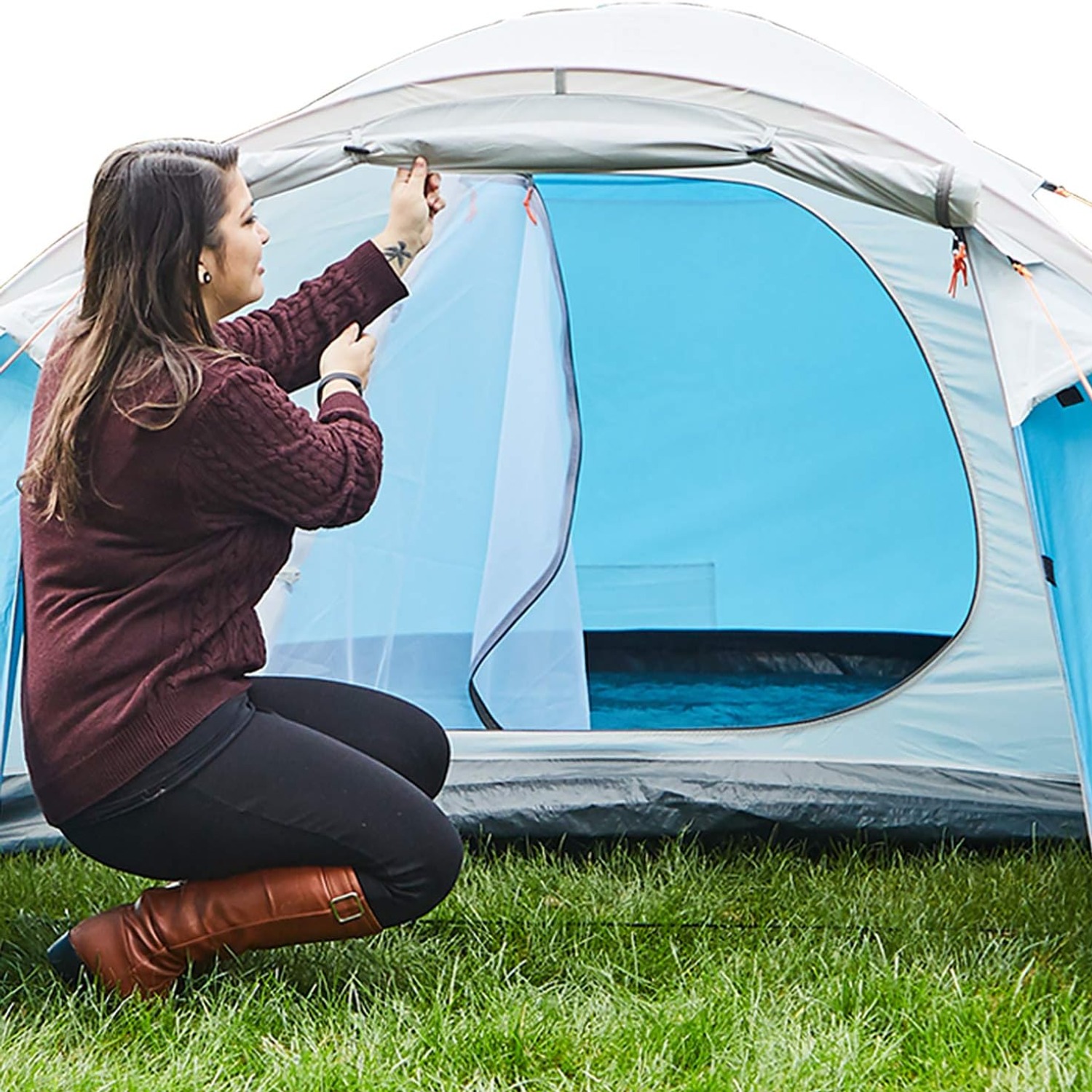
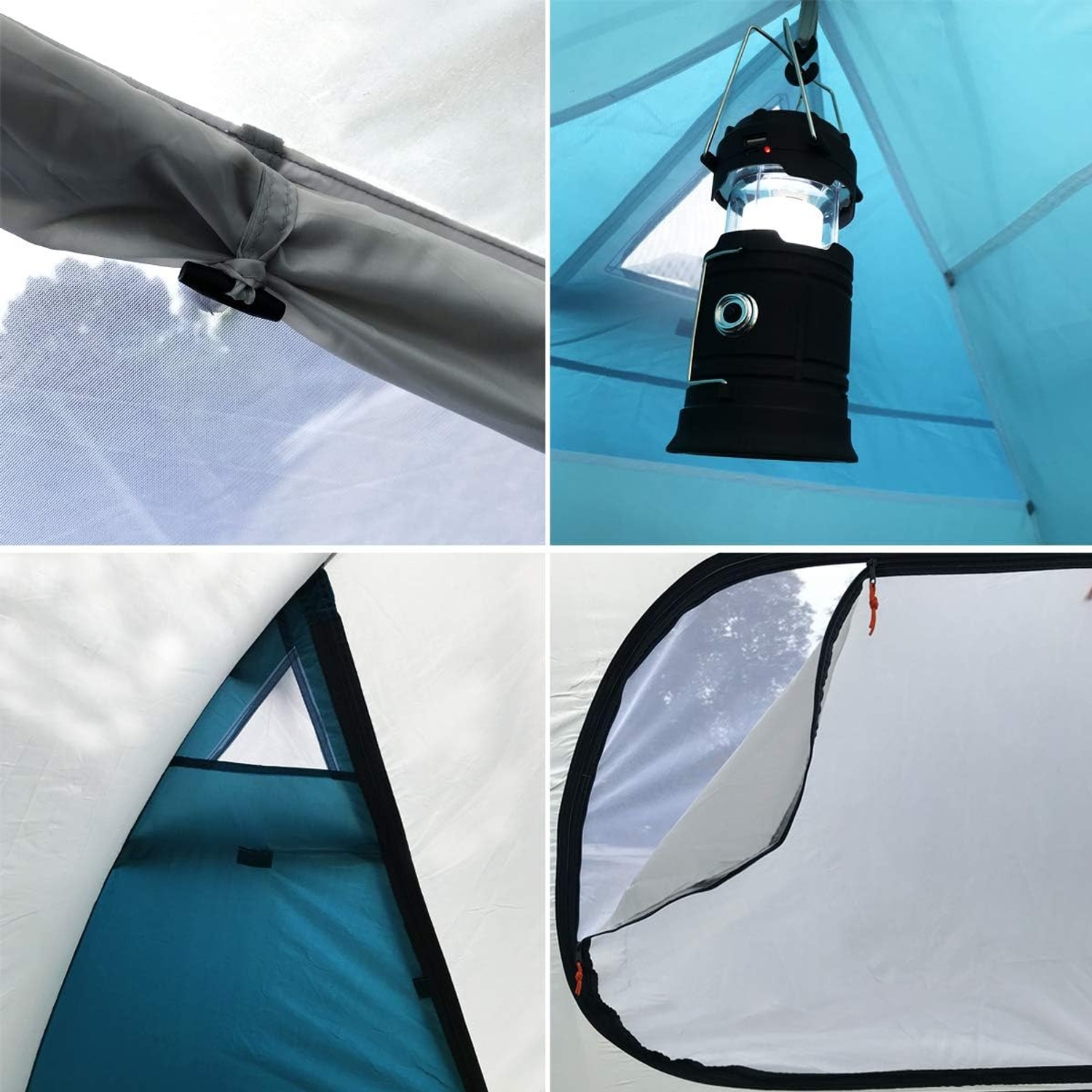
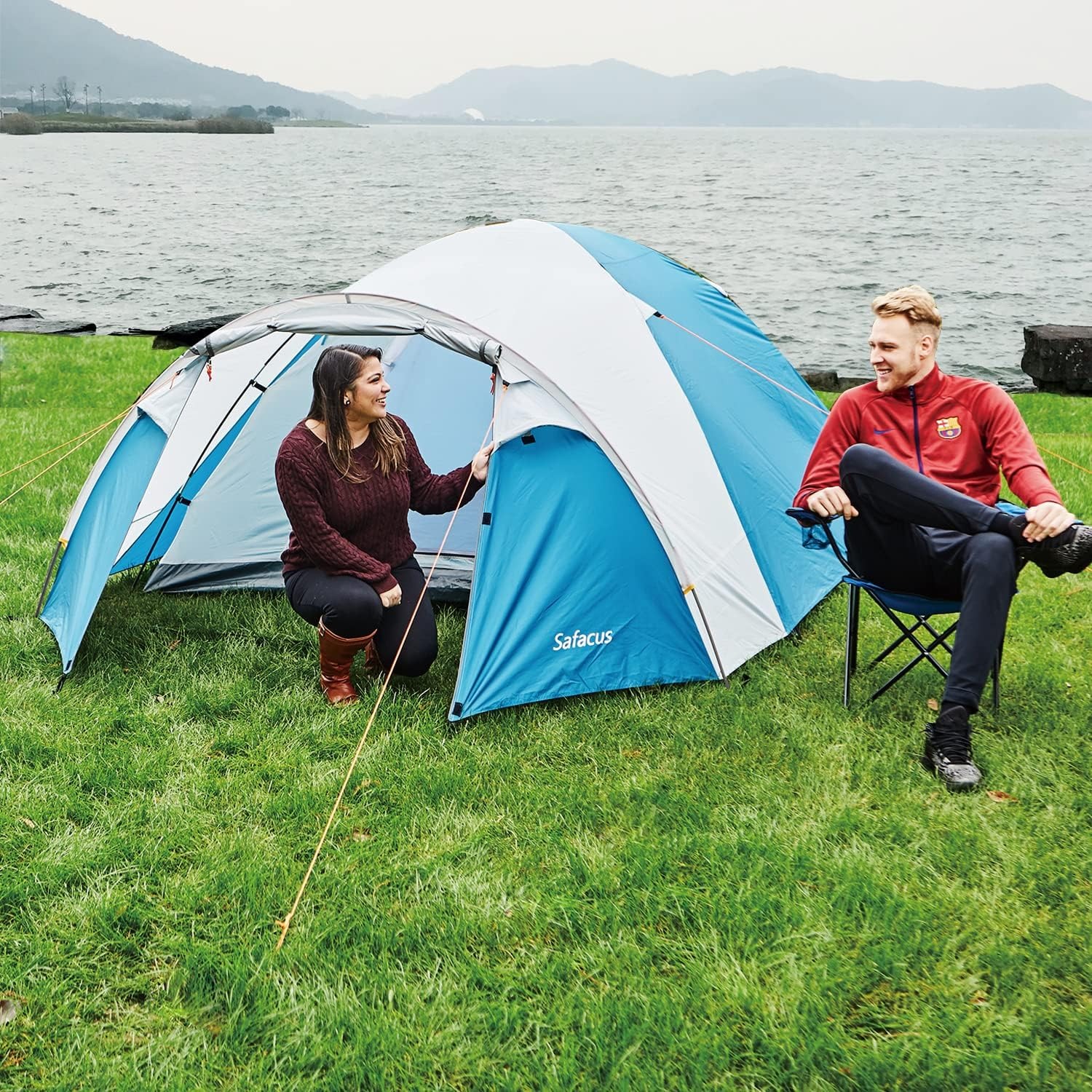
A double layer tent separates the two jobs. The inner tent is breathable polyester, so moisture passes through it rather than collecting on it. The outer flysheet is polyester with a polyurethane coating, which keeps rain out. The air gap between them carries the damp air away, and any condensation forms on the underside of the fly where it cannot reach you.
That is the whole idea. It costs a little extra weight and a couple of minutes of setup, and in return you stay dry from both directions. It is the single most useful feature at this price point, and it is why anyone comparing the best waterproof camping tent options should check for a separate fly rather than a sewn-in single skin.
Reading the measurements honestly
Tent sizing is optimistic across the whole industry, so read the numbers, not the headline.
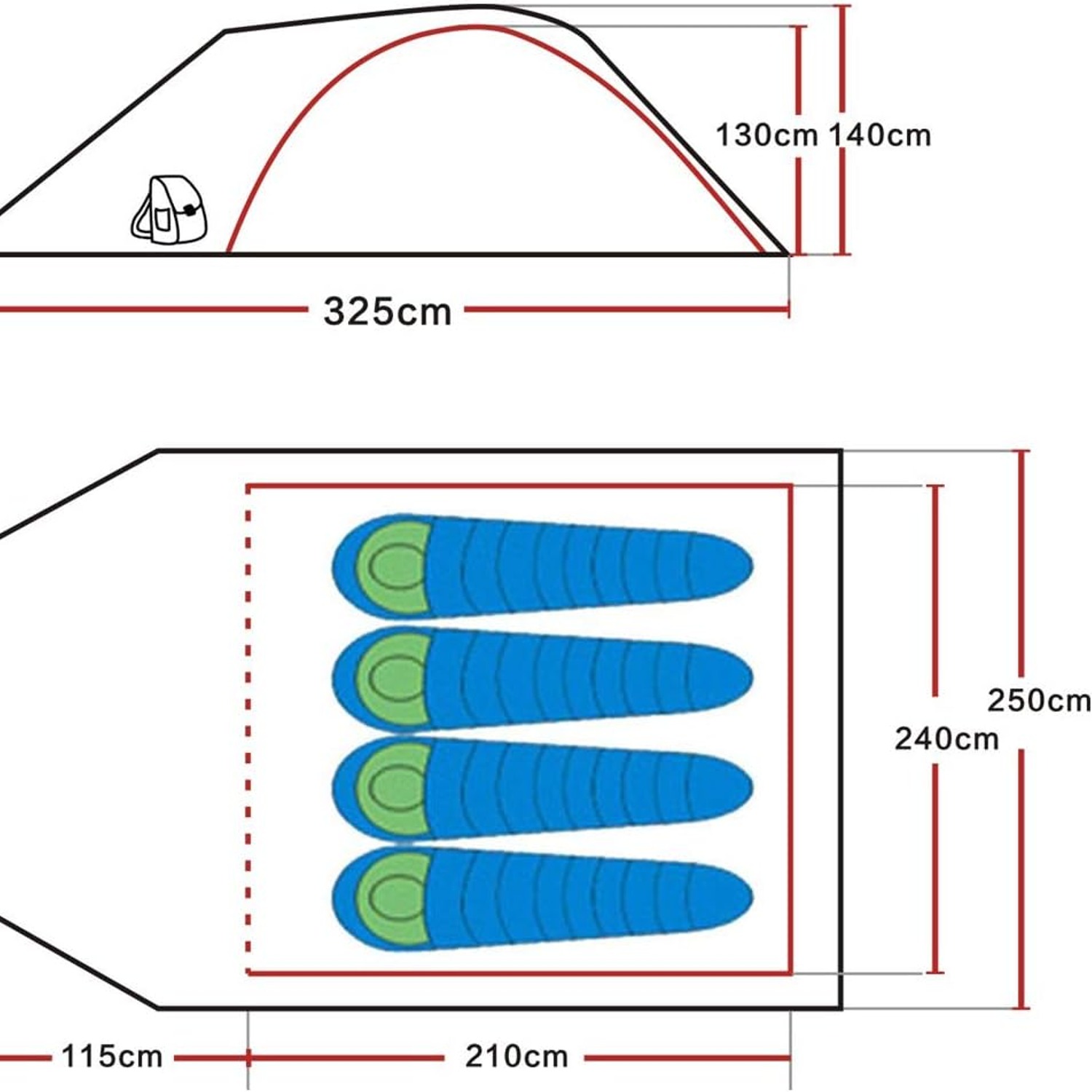
This tent has a floor length of 325 cm and a floor width of 3.25 m, giving a floor area of 81,250 square centimetres. Four standard adult sleeping mats are usually around 60 cm wide each. Do the arithmetic and four people fit side by side, shoulder to shoulder, with very little left over for bags.
So the honest reading is this. Four is the maximum, and it works well for four if your gear lives in the car or under the fly. Three people get a comfortable night with room for packs inside. Two people get something close to luxury.
Maximum height is 140 cm. That is sitting-up height, not standing height. You can kneel, change clothes, sort a sleeping bag and play cards. You cannot stand to pull on trousers. For weekend camping that is a fair trade, since standing-height tents are bulkier, heavier and take longer to pitch.
Packed, the tent measures 128 by 98.4 by 55.1 cm and weighs 4.8 kg. Measure your boot before a long drive with a full load.
Poles, pegs and wind
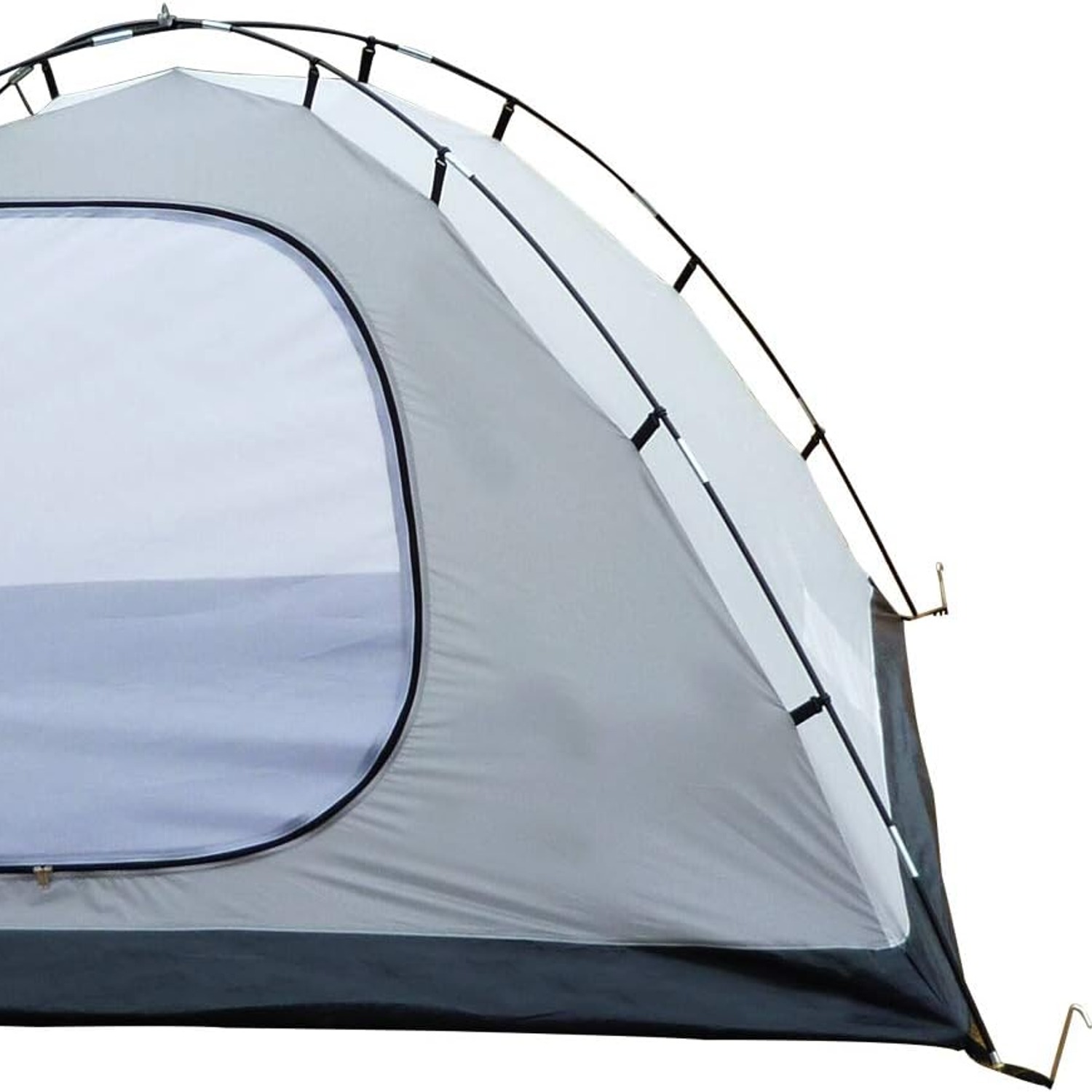
Two fibreglass poles do the structural work here, and they clip to the tent rather than sliding through sleeves. Clips are faster, they are easier to work with cold hands, and a snapped clip is simpler to improvise around than a torn sleeve.
The dome shape matters more than people realise. A dome has no flat vertical wall for wind to push against, so gusts slide around it. Tall, boxy tents catch wind like a sail. If you camp anywhere coastal or open, that shape is doing quiet work for you every night.
Four guylines come with the tent, along with aluminium and plastic stakes. Peg every guyline, every time. It takes two extra minutes and it does three things: it holds the fly away from the inner so air can move, it stops the fabric flapping and keeping you awake, and it keeps the whole structure stable when the weather turns. Most tents that fail in wind were not pegged out properly.
If you camp on sand or very soft ground, buy a set of longer pegs. Standard stakes do not hold in a beach. This is worth knowing if you are shopping for the best beach tent for shade, because the anchoring matters more than the fabric.
Who this size suits
A four person dome tent sits in a useful middle ground.
It works for a family of four on a weekend away, where the kids are young enough to not mind sharing. It works for two couples sharing a festival pitch. It works brilliantly for two people who want space, with one side for sleeping and one for gear. And it works for a single camper with a dog, a stack of fishing kit, or a few days of food.
It is less suited to long-distance backpacking. At 4.8 kg this is a car camping and walk-in tent, not something to carry over a mountain pass. Anyone searching for the best tent for car camping will find this format hard to beat on space per kilo, but solo hikers should look at a smaller, lighter shelter.
The listing records it as a four season tent with uses covering beach, camping and hiking, fishing and travelling. That breadth is the point. One tent that handles a summer festival, an autumn fishing trip and a cold spring weekend is better value than three specialised ones.
Pitching it well
Site choice beats gear every time. Look for level ground, and check it by lying down before you pitch. Avoid dips where water collects and avoid the base of a slope. Clear stones and sharp sticks from the footprint area, because the floor is the part that punctures.
Point the door away from the prevailing wind. This keeps rain from blowing in when you open the zip and reduces the draught through the tent.
Pitch the inner, clip the poles, stand it up, then throw the fly over and tension it. Keep the fly taut but not stretched to breaking. A drum-tight fly sheds rain and keeps its shape; a saggy one touches the inner and transfers water through.
Finally, a practice pitch in the garden before your first trip is worth an hour of your time. Learn where the poles go in daylight, not at 9pm in the rain.
Looking after it
Tents almost always die of neglect rather than use. The rule is simple: never store it damp.
If you pack up in rain, take the tent out within a day or two and set it up at home or hang it over a line until it is bone dry. Mildew spots appear fast and they do not come out. They also eat the waterproof coating.
Clean with a soft brush and, for marks, cool water with a mild non-detergent soap. Do not machine wash it. Do not bleach it. Do not tumble dry or dry clean it. Detergents and heat strip the polyurethane layer that makes the fabric waterproof in the first place.
Shake out sand and grit before packing, especially from zips, since grit is what kills a zipper. Store the bundle loose in a cool, dry cupboard rather than compressed in a hot car boot all winter. Follow the care instructions that come with the tent from the manufacturer.
The short version
A four person double layer dome tent is the practical choice for weekend camping with a small group. The separate waterproof fly and breathable inner handle condensation, which is what keeps you comfortable. Two clip-on fibreglass poles mean a pitch time of around ten minutes, even solo. The 325 cm floor and 140 cm height give four people a place to sleep and sit up.
At 4.8 kg it travels easily from car to pitch. Peg out all four guylines every time, dry it fully before storing it, and it will keep doing its job for a long run of trips.